Browse Articles

Comparative Gamma Radiation Analysis by Geographic Region

Zadan et al. | Jul 20, 2015

Comparative Gamma Radiation Analysis by Geographic Region

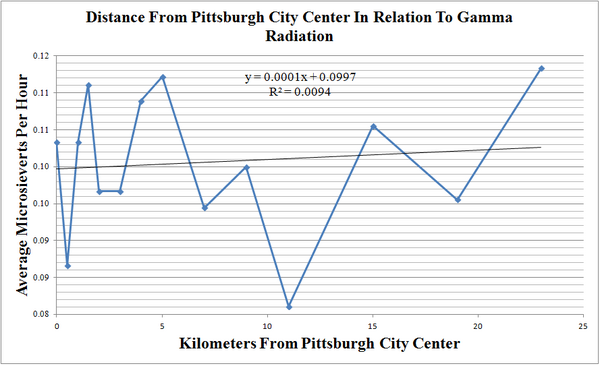
Gamma radiation can be produced by both natural and man-made sources and abnormally high exposure levels could lead to an increase in cell damage. In this study, gamma radiation was measured at different locations and any correlation with various geographic factors, such as distance from a city center, elevation and proximity to the nearest nuclear reactor, was determined.

Read More...
Investigating the effects of PVC microplastics on the growth of Chlorella vulgaris

Beaubien et al. | Oct 13, 2026

Investigating the effects of PVC microplastics on the growth of <i>Chlorella vulgaris</i>

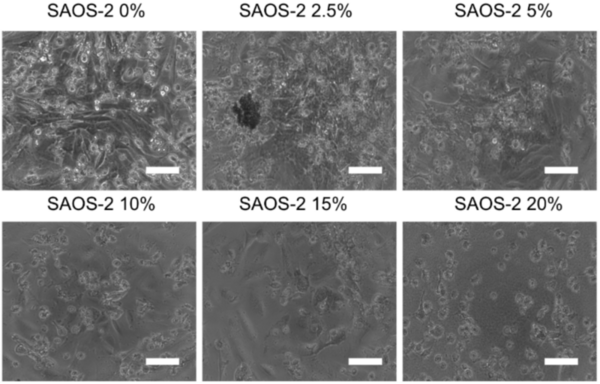
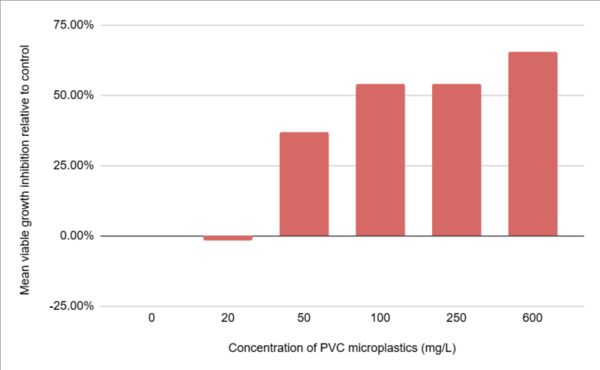
This study examined the effect of varying PVC microplastic concentrations on the growth of Chlorella vulgaris in freshwater, utilizing six PVC levels and identical culture conditions. Cell counts revealed that higher PVC concentrations consistently reduced algal growth, and a Spearman correlation test detected a significant negative monotonic association between PVC concentration and viable cell density. These results support the hypothesis that PVC microplastics impair algal growth, underscoring their ecological risk in freshwater environments.

Read More...

VISTA inhibitor CA170 combined with KRAS vaccine enhances immune response in lung cancer

Giglio et al. | Mar 16, 2026

VISTA inhibitor CA170 combined with <i>KRAS</i> vaccine enhances immune response in lung cancer
Image credit: Robina Weermeijer

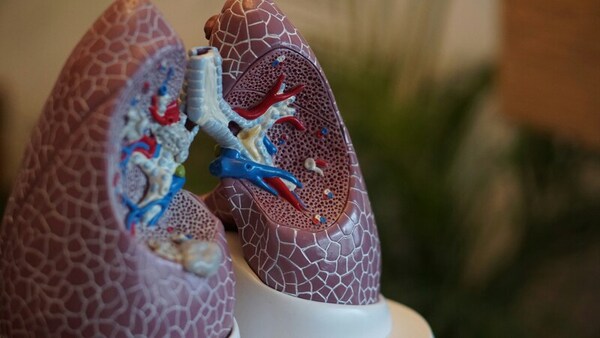
Here the authors investigated a combination therapy to target the Kirsten rat sarcoma viral oncogene homolog mutation in lung cancer, by analyzing publicly available data. Their findings indicate that the combination therapy of CA170 and Kvax enhances helper T cell function and improves cytotoxic T lymphocyte infiltration, while Kvax alone drives plasma and memory B cell proliferation.

Read More...

Extracellular vesicles derived from oxidatively stressed stromal cells promote cancer progression

Chen et al. | Jan 15, 2024

Extracellular vesicles derived from oxidatively stressed stromal cells promote cancer progression

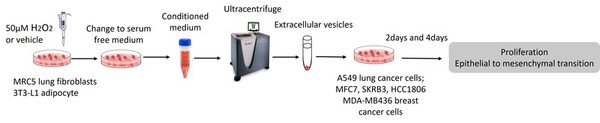
This paper hypothesized that the tumor microenvironment mediates cancer’s response to oxidative stress by delivering extracellular vesicles to cancer cells. Breast and lung cancer cells were treated with EVs, reavealing that EVs extracted from oxidatively stressed adipocytes increased the cell proliferation of breast cancer cells. These findings present a novel way that the TME influences cancer progression.

Read More...

Development of anti-cancer bionanoparticles isolated from corn for bone cancer treatment

Richardson et al. | Apr 20, 2023

Development of anti-cancer bionanoparticles isolated from corn for bone cancer treatment

This study hypothesizes that nanoparticles derived from corn (cNPs)may have anti-proliferative effects on bone cancer and metastasized bone cancer. It finds that human osteosarcoma and human lung carcinoma metastasized to bone marrow cell viability decreased to 0% when treated with cNPs. Overall, these results indicate that cNPs have anti-proliferative effects on bone cancer cells and cancer cells that metastasize to the bone.

Read More...

Increased carmine red exposure periods yields a higher number of vacuoles formed in Tetrahymena pyriformis

Shah et al. | Nov 18, 2022

Increased carmine red exposure periods yields a higher number of vacuoles formed in <em>Tetrahymena pyriformis</em>

T. pyriformis can use phagocytosis to create vacuoles of carmine red, a dye which is made using crushed insects and is full of nutrients. Establishing a relationship between vacuole formation and duration of exposure to food can demonstrate how phagocytosis occurs in T. pyriformis. We hypothesized that if T. pyriformis was incubated in a carmine red solution, then more vacuoles would form over time in each cell.

Read More...

Comparing the effects of electronic cigarette smoke and conventional cigarette smoke on lung cancer viability

Choe et al. | Sep 18, 2022

Comparing the effects of electronic cigarette smoke and conventional cigarette smoke on lung cancer viability

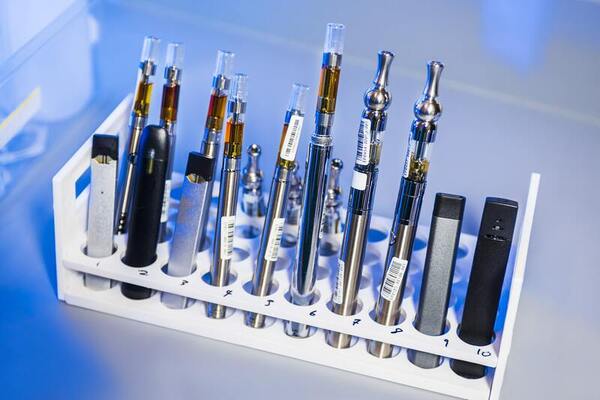
Here, recognizing the significant growth of electronic cigarettes in recent years, the authors sought to test a hypothesis that three main components of the liquid solutions used in e-cigarettes might affect lung cancer cell viability. In a study performed by exposing A549 cells, human lung cancer cells, to different types of smoke extracts, the authors found that increasing levels of nicotine resulted in improve lung cancer cell viability up until the toxicity of nicotine resulted in cell death. They conclude that these results suggest that contrary to conventional thought e-cigarettes may be more dangerous than tobacco cigarettes in certain contexts.

Read More...