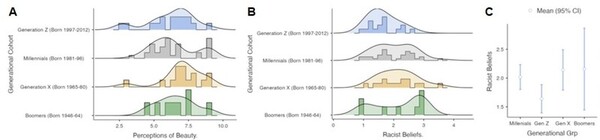
The authors examine the relationships between race, racist beliefs, and perceptions of beauty across cultures and generations.
Read More...Do perceptions of beauty differ based on rates of racism, ethnicity, and ethnic generation?
The authors examine the relationships between race, racist beliefs, and perceptions of beauty across cultures and generations.
Read More...Penalty kick success is unaffected by direction: Insights from right-footed world-class soccer players
The Cosmic Microwave Background: Galactic Foregrounds and Faraday Rotation
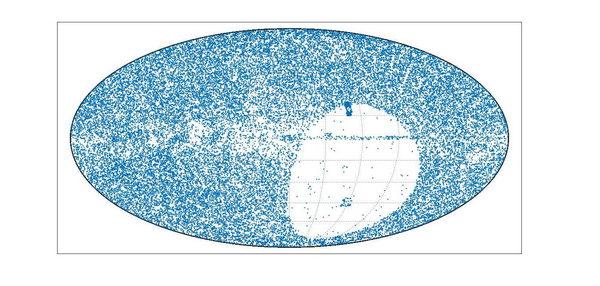
The cosmic microwave background (CMB) is faint electromagnetic radiation left over from early stages in the formation of the universe. In order to analyze the CMB, scientists need to remove from electromagnetic data foreground radiation that contaminates CMB datasets. In this study, students utilize extensive updated datasets to analyze the correlation between CMB maps and Faraday RM and WMAP sky maps.
Read More...Glucose concentration and the longevity of cut roses: sugar-induced senescence
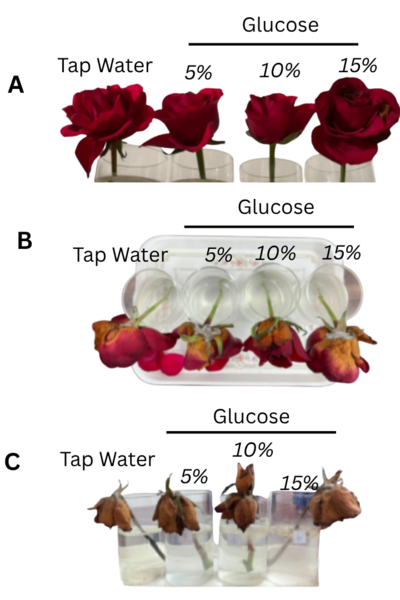
The authors examined the effect of varying glucose concentrations on cut rose longevity.
Read More...Researching the research enthusiasts: examining their motivation and the impact of a successful role model
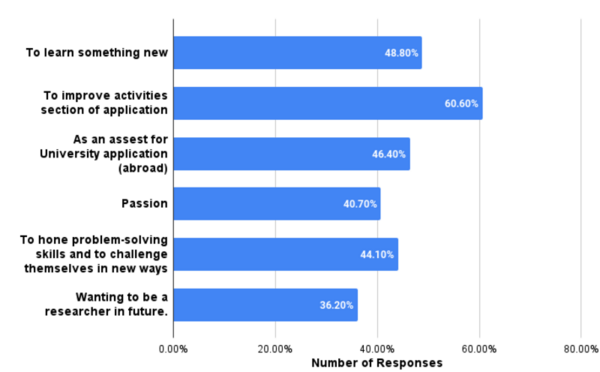
High school and university students have various motivations for participating in research, ranging from strengthening their applications for university to building skills for a research career. Jubair and Islam survey Bangladeshi high school and university students to uncover their motivations and inspirations for participating in research.
Read More...The Effect of Radiant Energy on Radish Seed Germination
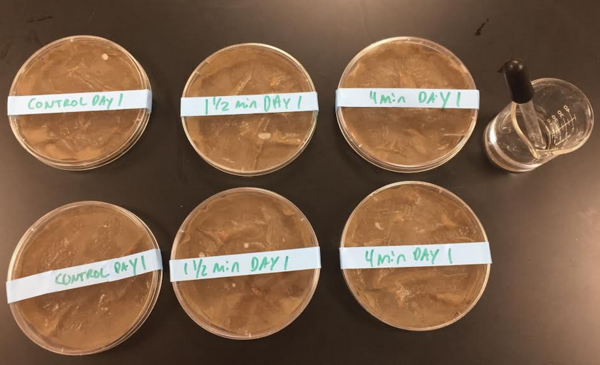
Simon and colleagues test how exposure to microwaves affect radish seed germination, either microwaving seeds for ninety seconds or four minutes prior to planting. Surprisingly, the authors found that seeds microwaved for four minutes exhibited 150% increased germination as compared to controls. The authors hypothesize that breakdown of the radish seed coat when exposed to heat may allow seedlings to sprout more efficiently.
Read More...Too hot to work? Heat waves, household income, and labor adaptation in India
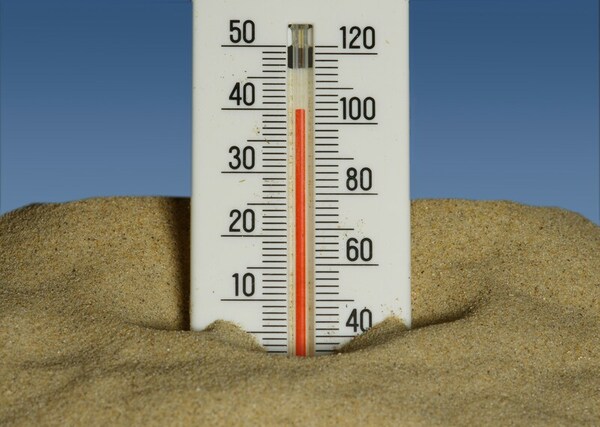
Paper found that heat waves in India are linked to lower household income, agricultural income, and consumption, with agriculture being affected the most. It also suggests farm workers may adapt to extreme heat over time by increasing labor inputs despite rising temperatures.
Read More...Analyzing the effects of genetic mutations in BRCA1, BRCA2, BARD1, and MLH1 in causing different cancers
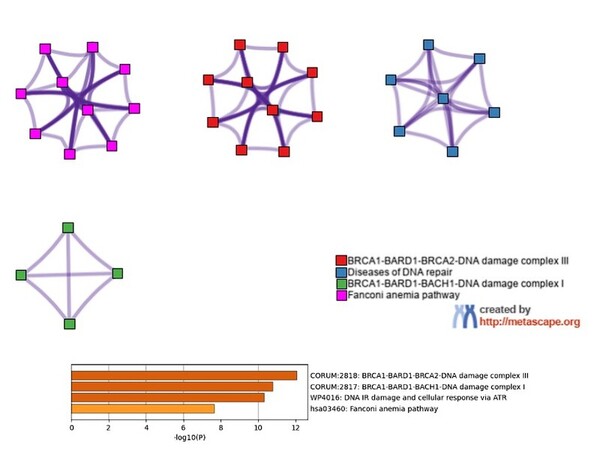
This paper utilizes multiple publicly available cancer datasets to explore the abundance of different genetic dependencies across various cancer types. They explore this by looking at four genes highly associated with cancer and their genetic and pathogenic relationships.
Read More...The relationship between meteorological factors and air quality in Washington D.C. metropolitan area
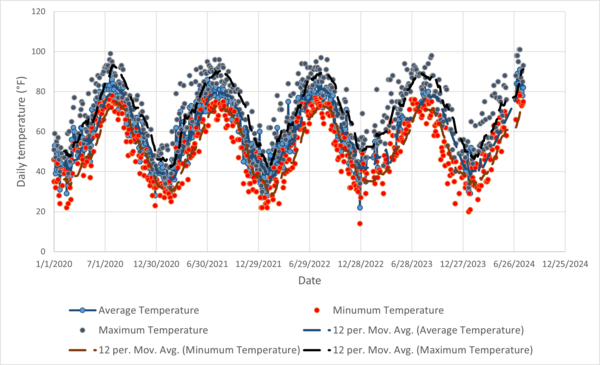
The authors studied the relationship between air quality and weather conditions (wind speed, precipitation, and temperature) in the Washington D.C. area.
Read More...The effects of a high-sucrose diet on the survival of Drosophila melanogaster from a bacterial infection
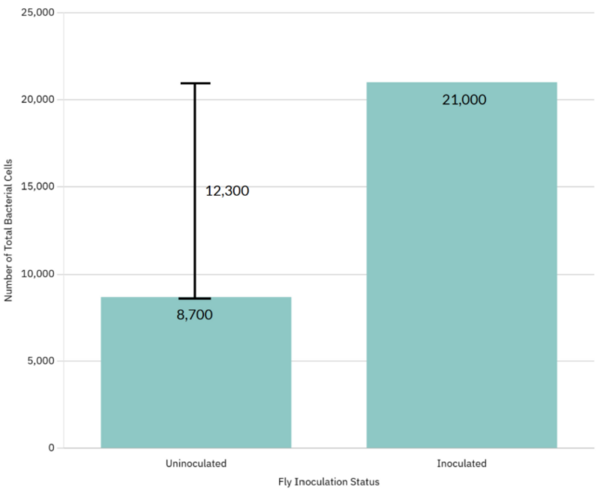
Excess sucrose consumption has been associated with several health problems, including inflammation and potential negative effects on immune function. However, the exact relationship between sucrose intake and immunity remains unclear, especially during bacterial infections. This study examined how sucrose intake affected the survival of fruit flies following oral infection with the bacterial pathogen Serratia marcescens.
Read More...