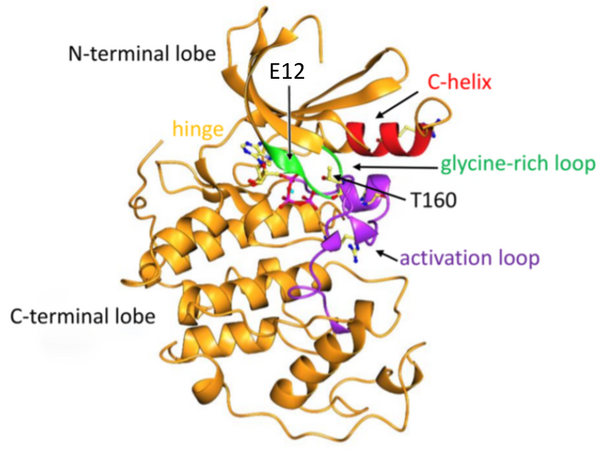
The authors examined the impact of mutations to CDK2 on protein expression.
Read More...Investigating the effects of mutations of amino acids on the protein expression of CDK2 cancer gene
Extracellular vesicles derived from oxidatively stressed stromal cells promote cancer progression
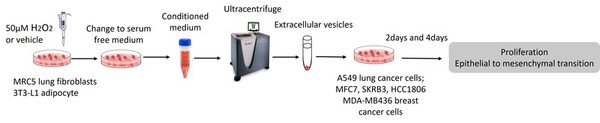
This paper hypothesized that the tumor microenvironment mediates cancer’s response to oxidative stress by delivering extracellular vesicles to cancer cells. Breast and lung cancer cells were treated with EVs, reavealing that EVs extracted from oxidatively stressed adipocytes increased the cell proliferation of breast cancer cells. These findings present a novel way that the TME influences cancer progression.
Read More...The effects of the cancer metastasis promoting gene CD151 in E. coli

The independent effects of metastasis-promoting gene CD151 in the process of metastasis are not known. This study aimed to isolate CD151 to discover what its role in metastasis would be uninfluenced by potential interactions with other components and pathways in human cells. Results showed that CD151 significantly increased the adhesion of the cells and decreased their motility. Thus, it may be that CD151 is upregulated in cancer cells for the last step of metastasis, and it increases the chances of success of metastasis by aiding in implantation of the cancer cells. Targeting CD151 in chemotherapeutic modalities could therefore potentially slow or prevent metastasis.
Read More...siRNA-dependent KCNMB2 silencing inhibits lung cancer cell proliferation and promotes cell death
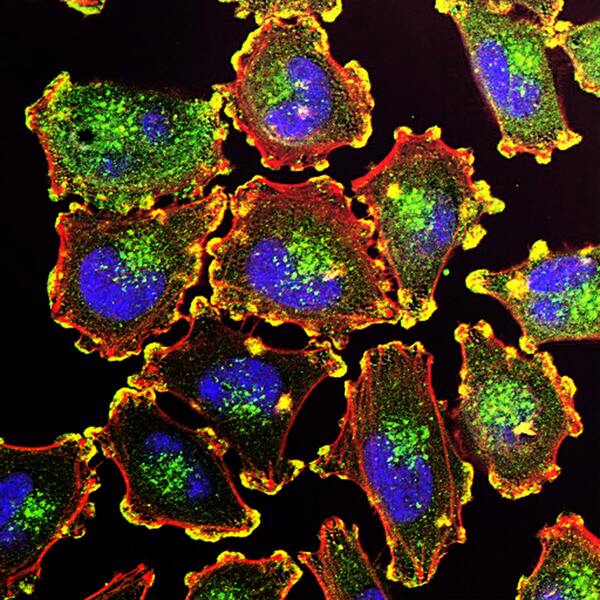
Here, seeking to better understand the genetic associations underlying non-small cell lung cancer, the authors screened hundreds of genes, identifying that KCNMB2 upregulation was significantly correlated with poor prognoses in lung cancer patients. Based on this, they used small interfering RNA to decrease the expression of KCNMB2 in A549 lung cancer cells, finding decreased cell proliferation and increased lung cancer cell death. They suggest this could lead to a new potential target for lung cancer therapies.
Read More...Application of gene therapy for reversing T-cell dysfunction in cancer
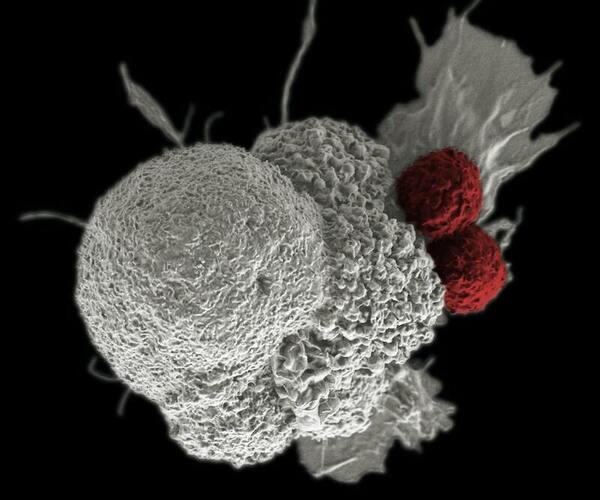
Since cancer cells inhibit T-cell activity, the authors investigated a method to reverse T-cell disfunction with gene therapy, so that the T-cells would become effective once again in fighting cancer cells. They used the inhibition of proprotein convertases (PCSK1) in T cells and programmed death-ligand 1 (CD274) in cancer cells. They observed the recovery of IL-2 expression in Jurkat cells, with increased recovery noted in a co-culture sample. This study suggests a novel strategy to reactivate T cells.
Read More...Down-regulation of CD44 inhibits Wnt/β-catenin mediated cancer cell migration and invasion in gastric cancer
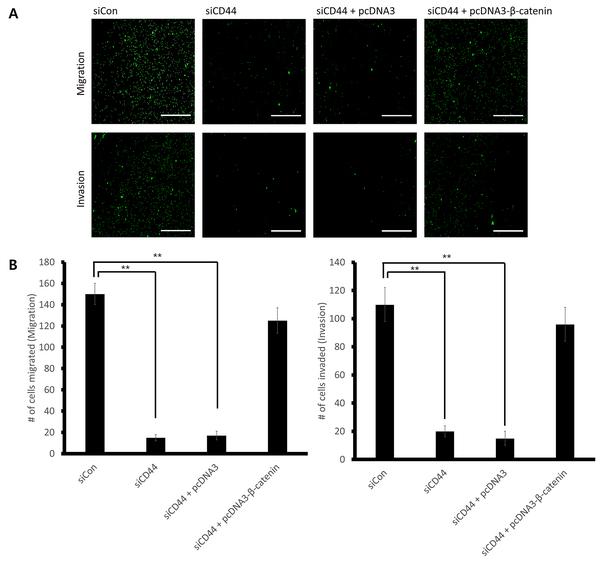
In this study, we aimed to characterize CD44-mediated regulation of the Wnt/β-catenin signaling pathway, which promotes cancer invasion and metastasis. We hypothesized that CD44 down-regulation will inhibit gastric cancer cell migration and invasion by leading to down-regulation of Wnt/β-catenin signaling. We found that CD44 up-regulation was significantly related to poor prognosis in gastric cancer patients. We demonstrated the CD44 down-regulation decreased β-catenin protein expression level. Our results suggest that CD44 down-regulation inhibits cell migration and invasion by down-regulating β-catenin expression level.
Read More...Conversion of Mesenchymal Stem Cells to Cancer-Associated Fibroblasts in a Tumor Microenvironment: An in vitro Study
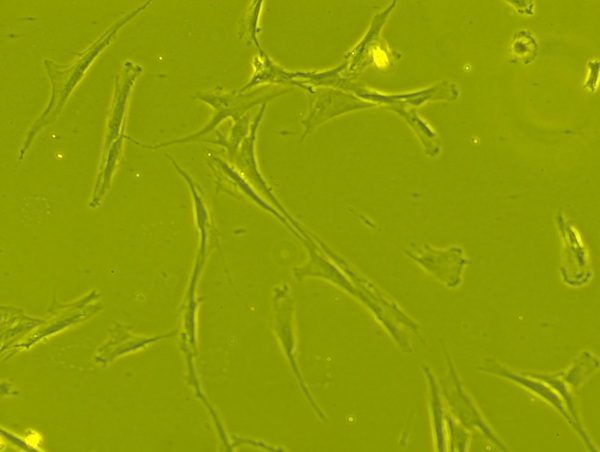
Mesenchymal stem cells(MSCs) play a role in tumor formation by differentiating into cancer associated fibroblasts (CAFs) which enable metastasis of tumors. The process of conversion of MSCs into CAFs is not clear. In this study, authors tested the hypothesis that cancers cells secrete soluble factors that induce differentiation by culturing bone marrow mesenchymal stem cells in media conditioned by a breast cancer cell line.
Read More...Integrated expression, mutation, and survival analysis of 17 key genes in breast cancer using TCGA-BRCA data
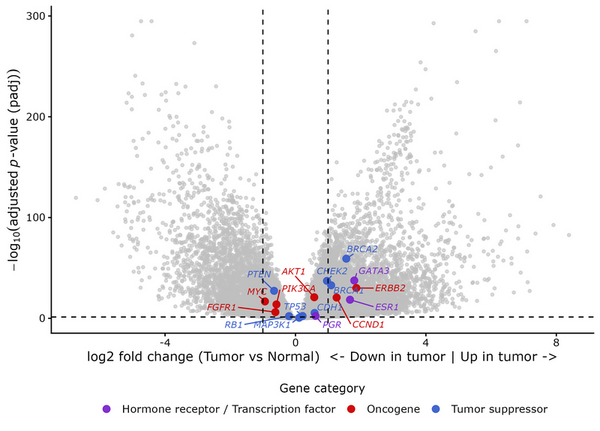
This study combines gene expression, mutation profiling, and survival analysis of 17 clinically important genes in breast cancer, utilizing the TCGA-BRCA dataset. Our results show that there are different patterns of oncogene upregulation, different levels of tumor suppressor activity, and complicated survival associations. TP53 was the most frequently mutated gene in this cohort. The results underscore the significance of multidimensional genomic analyses for a comprehensive understanding of breast cancer biology and its therapeutic ramifications.
Read More...Applying machine learning to breast cancer diagnosis: A high school student’s exploration using R
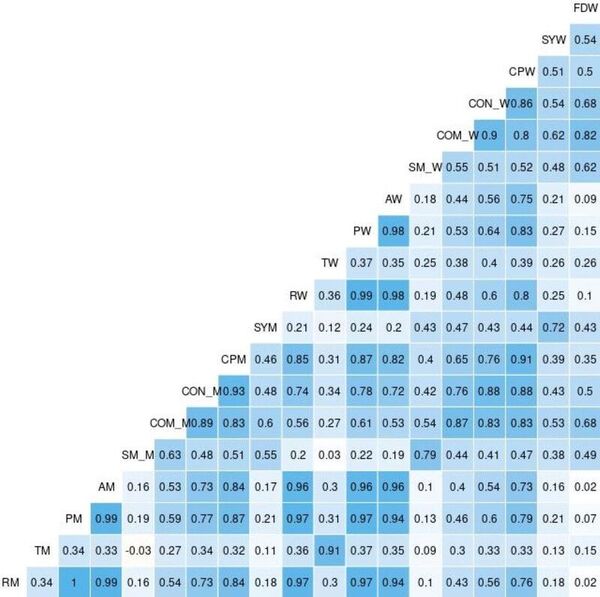
The authors combine fine needle aspiration biopsy and machine learning algorithms to develop a breast cancer detection method suitable for resource-constrained regions that lack access to mammograms.
Read More...Lung cancer AI-based diagnosis through multi-modal integration of clinical and imaging data
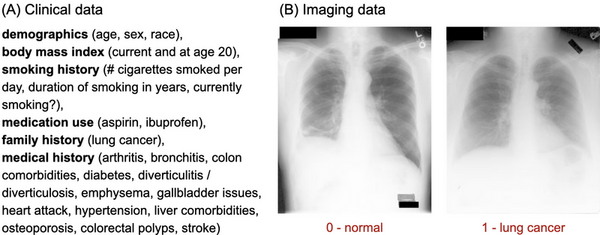
Lung cancer is highly fatal, largely due to late diagnoses, but early detection can greatly improve survival. This study developed three models to enhance early diagnosis: an MLP for clinical data, a CNN for imaging data, and a hybrid model combining both.
Read More...