Browse Articles

An in silico molecular analysis of the antifungal properties of Ageratum conyzoides

Sathish et al. | Apr 28, 2026

An <i>in silico</i> molecular analysis of the antifungal properties of <i>Ageratum conyzoides</i>
Image credit: Bánh Bao Chiên

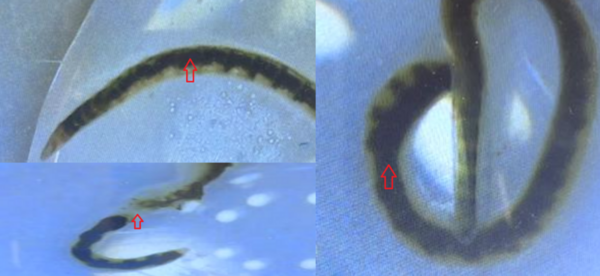
This study explores the interaction between precocene II and trichocethecene 3-O-acetyltransferase using molecular docking simulations. Computational analysis identified several potential binding sites on the enzyme surface and predicted favorable ligand-protein interactions involving key residues. These findings provide insight into how precocene II may interact with this enzyme and demonstrate the use of computational approaches to explore potential antifungal mechanisms.

Read More...

Assessing machine learning model efficacy for brain tumor MRI classification: a multi-model approach

Dhingra et al. | Mar 14, 2026

Assessing machine learning model efficacy for brain tumor MRI classification: a multi-model approach
Image credit: Dhingra and Dhingra

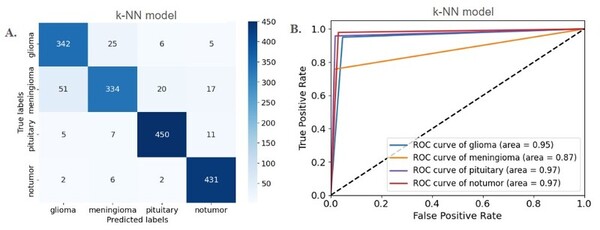
This manuscript explores the performance of five different machine learning models in classifying brain tumors from a dataset of MRI scans. The authors find that several of the models showed >90% accuracy. Thus, the authors suggest that machine learning models demonstrate potential for effective implementation in clinical settings, including as a diagnostic tool that can be used to complement the expertise of neuroradiologists.

Read More...

Feature extraction from peak detection algorithms for enhanced EMG-based hand gesture recognition models

Nathan et al. | Jan 10, 2026

Feature extraction from peak detection algorithms for enhanced EMG-based hand gesture recognition models
Image credit: Nathan and Raju

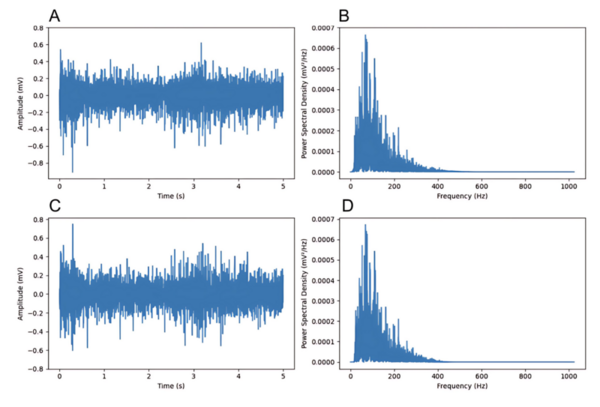
This manuscript evaluates peak detection algorithms for feature extraction in EMG-based hand gesture recognition using a random forest classifier. The study demonstrates that wavelet-based peak detection features achieve the highest classification accuracy (96.5%), outperforming other methods. The results highlight the potential of peak features to improve EMG-based prosthetic control systems.

Read More...

Relationship between p62 and learning behavior in male and female mice deficient in hippocampal folliculin

Guvenir et al. | Jun 10, 2025

Relationship between p62 and learning behavior in male and female mice deficient in hippocampal folliculin
Image credit: Robina Weermeijer

Here the authors hypothesized that reducing folliculin (FLCN) might affect p62 protein levels in the dorsal hippocampus of mice, given their potential functional connection and p62's role in neurodegenerative diseases. Their study, using western blots and a two-way ANOVA on young wild-type mice, found that p62 levels correlated with FLCN expression, but ultimately concluded there's no evidence of a functional connection between FLCN and p62 in this specific model.

Read More...

Redefining and advancing tree disease diagnosis through VOC emission measurements

Stoica et al. | Mar 27, 2025

Redefining and advancing tree disease diagnosis through VOC emission measurements

Here the authors investigated the use of an affordable gas sensor to detect volatile organic compound (VOC) emissions as an early indicator of tree disease, finding statistically significant differences in VOCs between diseased and non-diseased ash, beech, and maple trees. They suggest this sensor has potential for widespread early disease detection, but call for further research with larger sample sizes and diverse locations.

Read More...

The optimization of high-protein duckweed cultivation in eutrophicated water with mutualistic bacteria

Akkarajeerawat et al. | Mar 18, 2025

The optimization of high-protein duckweed cultivation in eutrophicated water with mutualistic bacteria

he rapid growth of the human population is driving food crises in Thailand and Southeast Asia, while contributing to global food insecurity and a larger carbon footprint. One potential solution is cultivating duckweed (Wolffia globosa) for consumption, as it grows quickly and can provide an alternative protein source. This research explored two methods to optimize duckweed cultivation: using phosphorus- and nitrogen-rich growing media and plant growth-promoting bacteria (PGPB).

Read More...

Using Gravitational Waves to Determine if Primordial Black Holes are Sources of Dark Matter

Sivakumar et al. | Jul 15, 2024

Using Gravitational Waves to Determine if Primordial Black Holes are Sources of Dark Matter

In the quest to understand dark matter, scientists face a profound mystery. Two compelling candidates, Massive Compact Halo Objects (MACHOs) and Weakly Interacting Massive Particles (WIMPs), have emerged as potential sources. By analyzing gravitational waves from binary mergers involving these black holes, authors sought to determine if MACHOs could be the elusive dark matter.

Read More...