Browse Articles

Evaluating cinnamaldehyde as an antibacterial agent in a produce wash for leafy greens

Drennan et al. | Oct 28, 2021

Evaluating cinnamaldehyde as an antibacterial agent in a produce wash for leafy greens

Recognizing a growing demand for organic produce, the authors sought to investigate plant-based antibiotic solutions to meet growing consumer demand for safe produce and also meet microbial standards of the USDA. The authors investigated the use of cinnamaldehyde as an antibacterial again E. coli, finding that lettuce treated with cinnamaldehyde displayed significantly lower colony-forming units of E. coli when compared to lettuce treated with chlorine bleach.

Read More...

Integration of iron oxide nanoparticles into high-density polyethylene for sustainable cup coatings

Atmadja et al. | Jul 08, 2026

Integration of iron oxide nanoparticles into high-density polyethylene for sustainable cup coatings

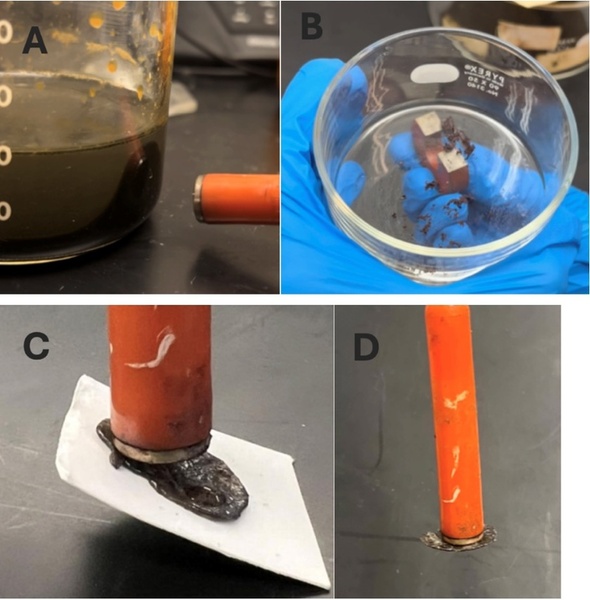
Here the authors propose integrating magnetic iron (II) oxide nanoparticles into the high-density polyethylene linings of disposable paper cups to create a waterproof, magnetically responsive composite liner. Their findings demonstrate that these nanoparticles successfully bond with the plastic layer without disrupting its structural integrity, offering a viable method to improve plastic recovery through magnetic recycling and mitigate global microplastic pollution.

Read More...

Investigating the inhibition of catabolic enzymes for implications in cardiovascular diseases and diabetes

Gandhi et al. | Aug 25, 2024

Investigating the inhibition of catabolic enzymes for implications in cardiovascular diseases and diabetes
Image credit: The authors

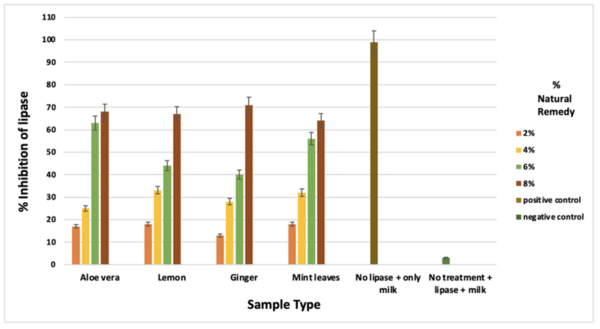
Enzymes that metabolize carbohydrates and lipids play a key role in our health, including global health challenges like cardiovascular diseases and diabetes. To learn more about these important enzymes, Gandhi and Gandhi test whether various natural substances (ginger, Aloe vera, lemon, and mint leaves) affect the activity of α-amylase and lipase enzymes.

Read More...

Using broad health-related survey questions to predict the presence of coronary heart disease

Chavda et al. | Aug 23, 2024

Using broad health-related survey questions to predict the presence of coronary heart disease

Coronary heart disease (CHD) is the leading cause of death in the U.S., responsible for nearly 700,000 deaths in 2021, and is marked by artery clogging that can lead to heart attacks. Traditional prediction methods require expensive clinical tests, but a new study explores using machine learning on demographic, clinical, and behavioral survey data to predict CHD.

Read More...

The influence of purpose-of-use on information overload in online social networking

Agarkar et al. | Nov 01, 2022

The influence of purpose-of-use on information overload in online social networking

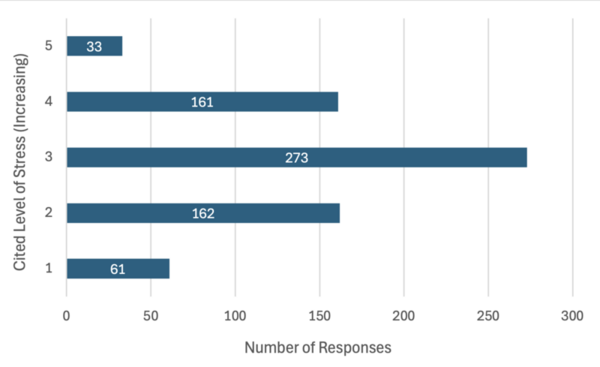
Here, seeking to understand the effects of social media in relation to social media fatigue and/or overload in recent years, the authors used various linear models to assess the results of a survey of 27 respondents. Their results showed that increased duration of use of social media did not necessarily lead to fatigue, suggesting that quality may be more important than quantity. They also considered the purpose of an individual's social media usage as well as their engagement behavior during the COVID-19 pandemic.

Read More...

Survival of Escherichia coli K-12 in various types of drinking water

Hanna et al. | Sep 25, 2022

Survival of <i>Escherichia coli</i> K-12 in various types of drinking water

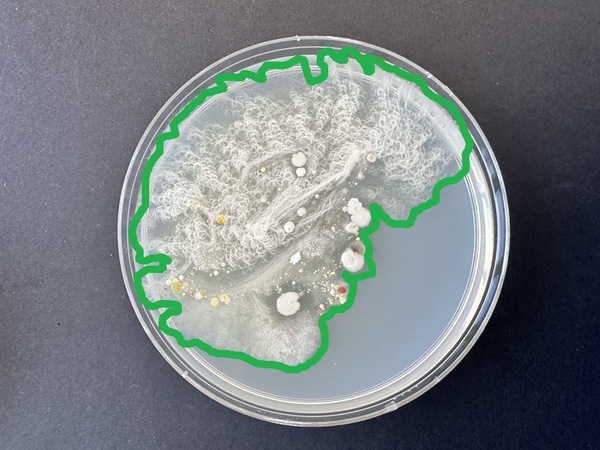
For public health, drinking water should be free of bacterial contamination. The objective of this research is to identify the fate of bacteria if drinking water becomes contaminated and inform consumers on which water type enables the least bacteria to survive. We hypothesized that bottled mineral water would provide the most sufficient conditions for E. coli to survive. We found that if water becomes contaminated, the conditions offered by the three water types at room temperature allow E. coli to survive up to three days. At 72 hours, the bottled spring water had the highest average colony forming units (CFUs), with tap and mineral water CFU values statistically lower than spring water but not significantly different from each other. The findings of this research highlight the need of implementing accessible quality drinking water for the underserved population and for the regulation of water sources.

Read More...