Browse Articles

Assessing Spanish interpretation in community healthcare: a study of patient satisfaction

Yon et al. | Jun 22, 2026

Assessing Spanish interpretation in community healthcare: a study of patient satisfaction
Image credit: Yon and Jones

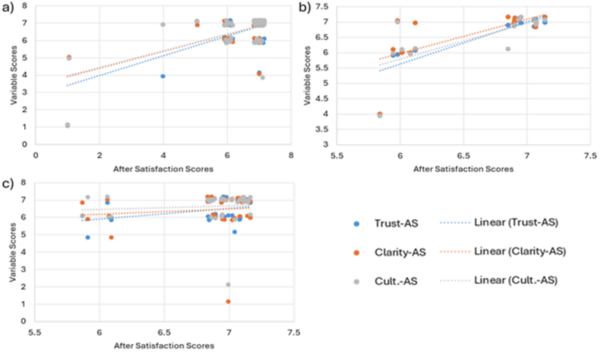
This manuscript explores the use of Spanish language translators in an outpatient clinic in New Jersey. The authors surveyed patients before and after in person, video, and telephone appointments to determine which modality was most acceptable to the patients. The authors found that the three modalities did not differ in patient satisfaction, but that patients were grateful for translations services and that patient trust may be expanded by the use of these services and by focuses of translator soft skills.

Read More...


Does language familiarity affect typing speed?

Shin et al. | Aug 23, 2024

Does language familiarity affect typing speed?

In cognitive psychology, typed responses are used to assess thinking skills and creativity, but research on factors influencing typing speed is limited. This study examined how language familiarity affects typing speed, hypothesizing that familiarity with a language would correlate with faster typing. Participants typed faster in English than Latin, with those unfamiliar with Latin showing a larger discrepancy between the two languages, though Latin education level did not significantly impact typing speed, highlighting the role of language familiarity in typing performance.

Read More...

Mapping the Electromagnetic Field in Front of a Microwave Oven

Xiang et al. | Sep 21, 2019

Mapping the Electromagnetic Field in Front of a Microwave Oven

There is limited evidence that extended exposure to an electromagnetic field (EMF) has negative health effects on humans. The authors measured the power density and strength of EMF at different distances and directions in front of a microwave oven, and they discuss the safety of different distances.

Read More...

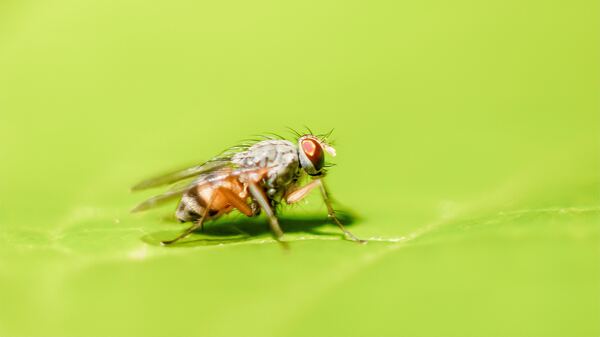
Effects of Wi-Fi EMF on Drosophila melanogaster

Anand et al. | Jan 29, 2020

Effects of Wi-Fi EMF on <em>Drosophila melanogaster</em>

While increased access to Wi-Fi has been a great advancement, we have a limited understanding if there are any health effects on animals. In this study, Anand and Anand exposed fruit flies (Drosophila melanogaster) to different concentrations of Wi-Fi electromagnetic fields, and observed effects on their reproduction and survivability.

Read More...

Phytoplankton Plastid Proteomics: Cracking Open Diatoms to Understand Plastid Biochemistry Under Iron Limitation

Nunn et al. | Feb 10, 2017

Phytoplankton Plastid Proteomics: Cracking Open Diatoms to Understand Plastid Biochemistry Under Iron Limitation

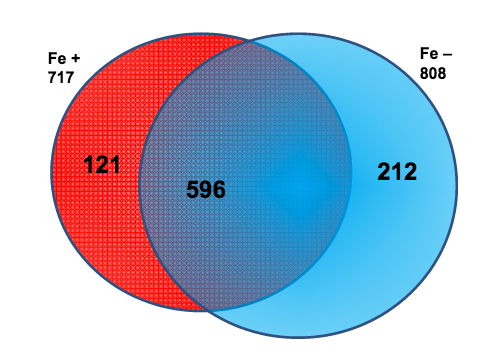
In many areas of the world’s oceans, diatoms such as Thalassiosira pseudonana are limited in growth by the availability of iron (Fe), which is an essential nutrient for diatoms. The authors of this study examined if Fe-limitation makes a significant difference in the proteins expressed within the chloroplast, the power source for diatoms, utilizing a new plastid isolation technique specific to diatoms and completing 14 mass spectrometry experiments.

Read More...

The growth of bacteria on everyday objects and the antimicrobial effects of household spices

Daehan Yi et al. | Apr 29, 2026

The growth of bacteria on everyday objects and the antimicrobial effects of household spices
Image credit: Daehan Yi, Boughaleb Hassani and Ribeiro

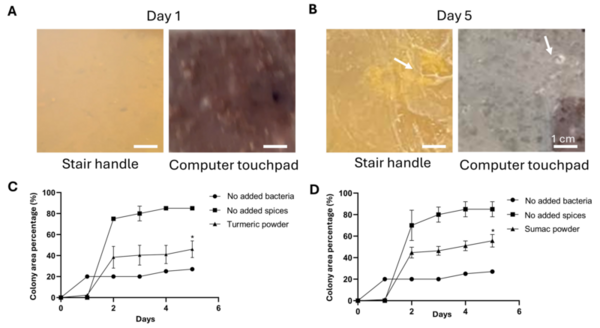
The study investigates the antibacterial properties of household spices on bacteria isolated from everyday objects, aiming to address the limited understanding of bacterial resilience on surfaces and the potential of spices as antibacterial agents. Researchers hypothesized that bacteria would grow faster on some surfaces than others and that spices like honey, chili powder, turmeric, and sumac would inhibit bacterial growth at varying rates. The findings suggest that household spices possess significant antibacterial properties and could be used as emergency disinfectants, particularly in under-resourced settings. However, they cannot replace medical treatments but offer insights into alternative health solutions using common ingredients.

Read More...

Testing filtration capabilities of household fabrics for protection against airborne contaminants

Shah et al. | May 31, 2025

Testing filtration capabilities of household fabrics for protection against airborne contaminants

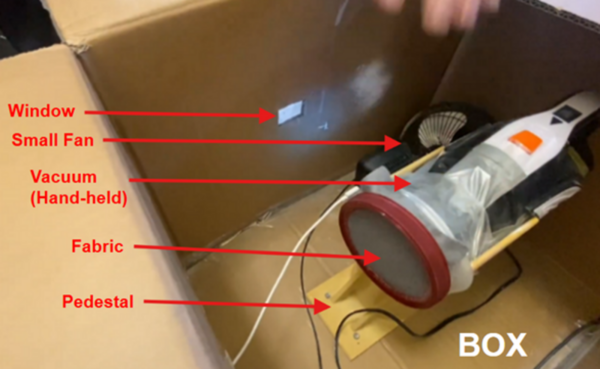
Toxic particulates in the atmosphere pose significant health risks, and while modern masks can help reduce inhalation of these pollutants, their availability may be limited during health crises. This study evaluated the effectiveness of household fabrics (cotton, fleece, wool, and rayon) as particulate filters, finding that cotton outperformed the others in filtration efficiency, while rayon was the least effective. The findings suggest that cotton is a preferable alternative for filtration purposes, while rayon should be avoided.

Read More...

Determining viability of image processing models for forensic analysis of hair for related individuals

Wang et al. | Feb 04, 2025

Determining viability of image processing models for forensic analysis of hair for related individuals
Image credit: Taylor Smith

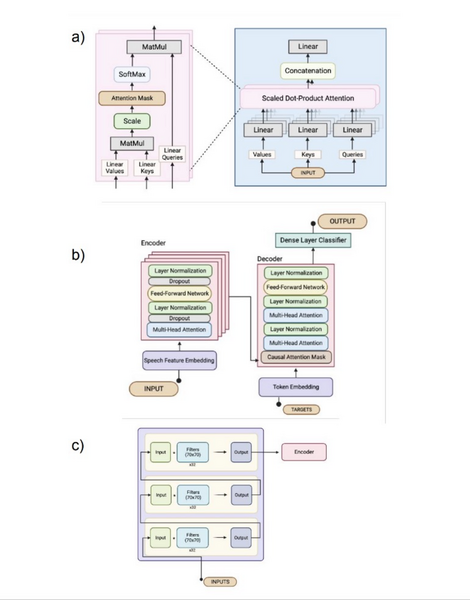
Here, the authors used machine learning to analyze microscopic images of hair, quantifying various features to distinguish individuals, even within families where traditional DNA analysis is limited. The Discriminant Analysis (DA) model achieved the highest accuracy (88.89%) in identifying individuals, demonstrating its potential to improve the reliability of hair evidence in forensic investigations.

Read More...