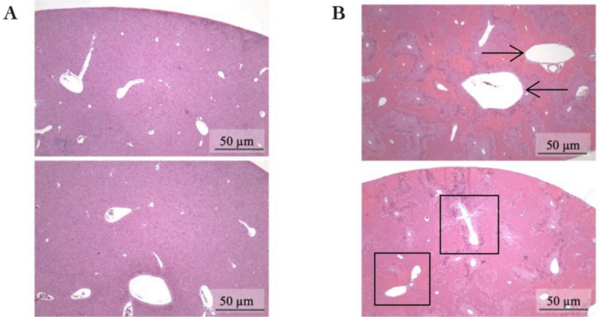
The authors looked at how acetaminophen may cause liver damage by looking at both serum level markers of liver damage as well as liver pathology.
Read More...Evaluation of hepatotoxicity from excessive acetaminophen: physiological and histological changes
The authors looked at how acetaminophen may cause liver damage by looking at both serum level markers of liver damage as well as liver pathology.
Read More...A Cloud-Enabled Communication Strategy for Wildfire Alerts
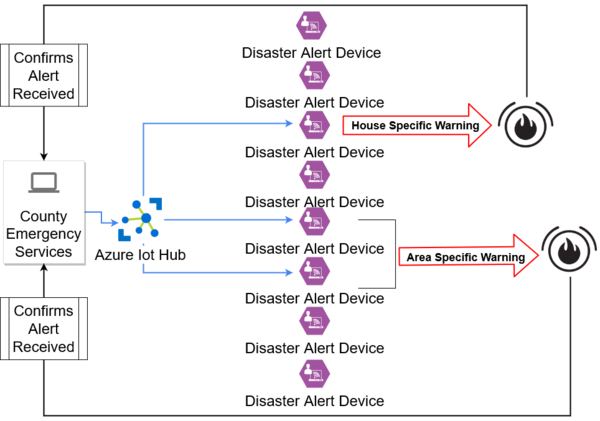
The traditional alert system in California consists of Wireless Emergency Alerts (WEAs), which lack location specificity, and sign-up-based technology which is limited by the number of sign ups. Those who do not have phones or have a silence option on their devices are most at risk from the current alert system. Here the authors developed cloud-enabled crisis connection for disaster alerts (CRISIS-CONNECT) to mitigate problems associated with the current alert system.
Read More...The Effects of Ezetimibe on Triglyceride and Alanine Transaminase Reduction in Drosophila Melanogaster Model of Nonalcoholic Fatty Liver Disease (NAFLD)
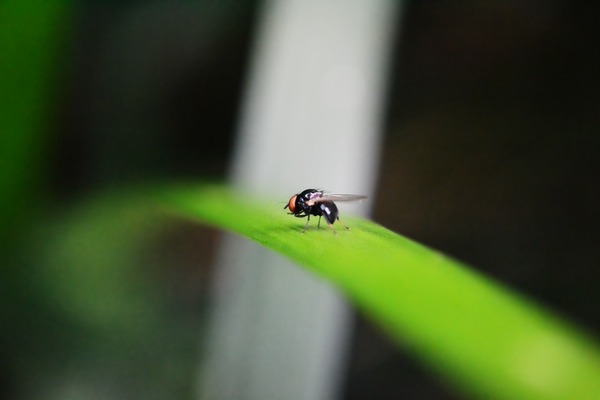
Nonalcoholic Fatty Liver Disease (NAFLD) is a condition where a surplus of triglycerides or fat are present in the liver. In this study, ezetimibe, a cholesterol lowering drug, was used to treat flies modeling NAFLD. Compared to the coconut oil fed flies that were transferred to the control medium, the flies transferred to the control medium treated with ezetimibe showed a decrease in their triglyceride and alanine transaminase level.
Read More...Molecular Alterations in a High-Fat Mouse Model Before the Onset of Diet–Induced Nonalcoholic Fatty Liver Disease
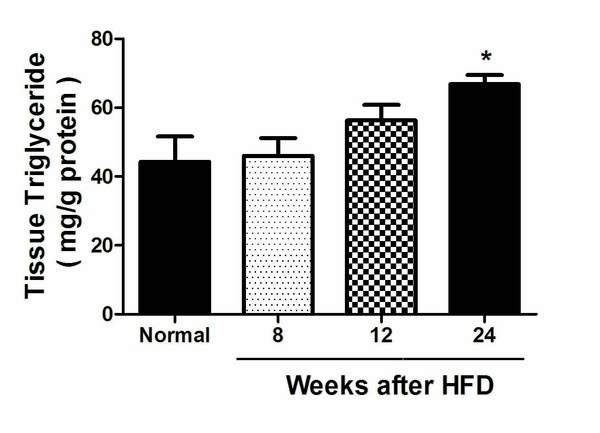
Nonalcoholic fatty liver disease (NAFLD) is one of the most prevalent chronic liver diseases worldwide, but there are few studied warning signs for early detection of the disease. Here, researchers study alterations that occur in a mouse model of NAFLD, which indicate the onset of NAFLD sooner. Earlier detection of diseases can lead to better prevention and treatment.
Read More...Impact of gadodiamide (Omniscan) on a beef liver catalase ex vivo model

Here, seeking to better understand the effects of gadolinium-based contrast agents, dyes typically used for MRI scans, the authors evaluated the activity of catalase found in beef liver both with and without gadodiamide when exposed to hydrogen peroxide. They found that gadioamide did not significantly inhibit catalase's activity, attributing this lack of effects to the chelating agent found in gadodiamide.
Read More...A 1D model of ultrasound waves for diagnosing of hepatomegaly and cirrhosis
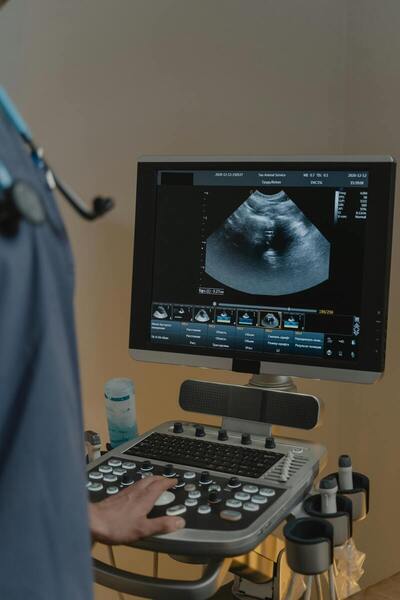
The authors created a 1D model to diagnose hepatomegaly and cirrhosis via ultrasound of the liver.
Read More...Reduced psoriasis skin irritation symptoms through the effects of Chinese herbal medicines on planarians
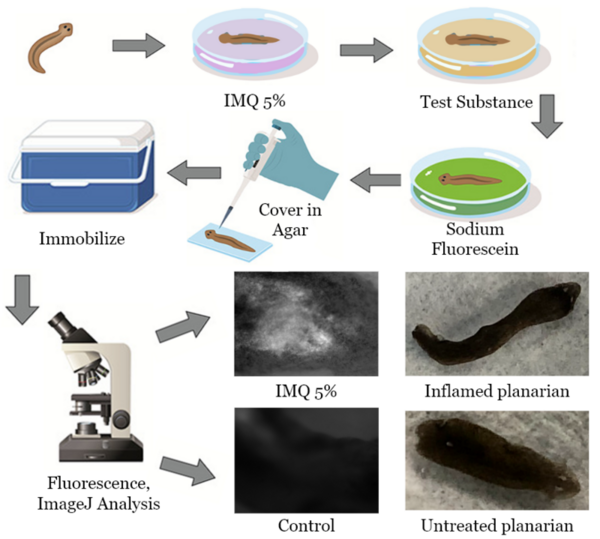
The authors looked at whether traditional Chinese medicine remedies that target the lungs and liver would reduce inflammation in a planaria model. They found that the two active compounds they tested were able to decrease induced inflammation by 97-98%.
Read More...How Ethanol Concentration Affects Catalase Catalysis of Hydrogen Peroxide
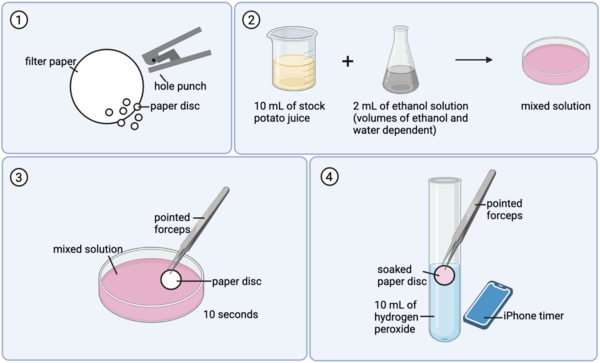
Catalase is a critical enzyme in the human body because it is capable of converting potentially dangerous hydrogen peroxide into water and oxygen. This work asks whether ethanol affects catalase activity, as alcohol consumption has been often linked to hepatitis occurring in the liver, where catalase level is especially high, and ethanol is known to be capable of denaturing proteins. Testing different concentrations of ethanol found that higher concentrations reduced the activity of catalase. This work has important implications on the negative effects of ethanol on metabolism, in which catalase plays an important role, and protein function more broadly.
Read More...Evaluation of Microplastics in Japanese Fish Using Visual and Chemical Dissections
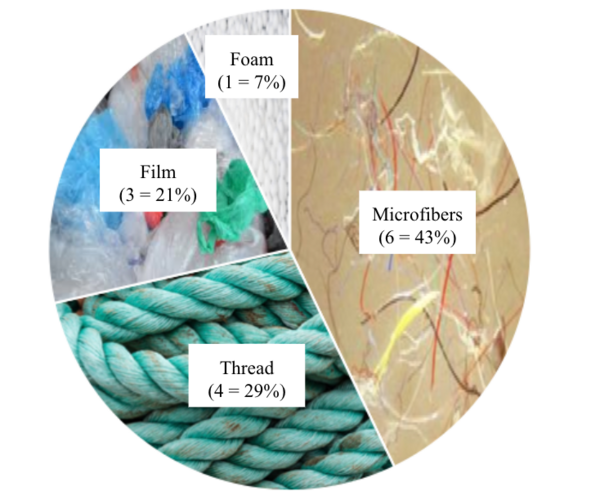
Does the overuse of plastic in Japan poses an ecological risk to marine species and their consumers? Using visual and chemical dissection, all fish in this study were found to have microplastics present in their gastrointestinal tract, including two species that are typically eaten whole in Japan. Overall, these results are concerning as previous studies have found that microplastics can carry persistent organic pollutants. It is presumed that the increasing consumption of microplastics will have negative implications on organ systems such as the liver, gut, and hormones.
Read More...Identification of a core set of model agnostic mRNA associated with nonalcoholic steatohepatitis (NASH)
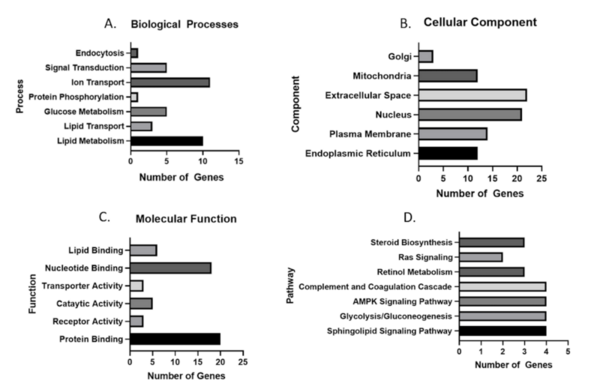
In this study, the authors analyze gene expression datasets to determine if there is a core set of genes dysregulated during nonalcoholic steatohepatitis.
Read More...