Browse Articles

Investigating the effects of glucose reintroduction on acutely starved HeLa cells

Puduru et al. | Jul 05, 2026

Investigating the effects of glucose reintroduction on acutely starved HeLa cells

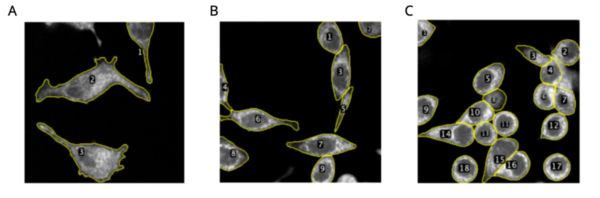
Cancer cells rely heavily on glycolysis, but how they respond when glucose is reintroduced after acute starvation is not well understood. Using fluorescence lifetime imaging microscopy, students tracked metabolic changes in HeLa cells and found a rapid shift toward glycolysis within 20 minutes of glucose reintroduction, followed by heterogeneous recovery toward oxidative phosphorylation. These results highlight metabolic flexibility and variability in cancer cells, offering insights relevant to treatment resistance and therapeutic design.

Read More...
The Protective Effects of Panax notoginseng Saponin on the Blood-Brain Barrier via the Nrf2/ARE Pathway in bEnd3 Cells

Yang et al. | Apr 06, 2016

The Protective Effects of <i>Panax notoginseng</i> Saponin on the Blood-Brain Barrier via the Nrf2/ARE Pathway in bEnd3 Cells

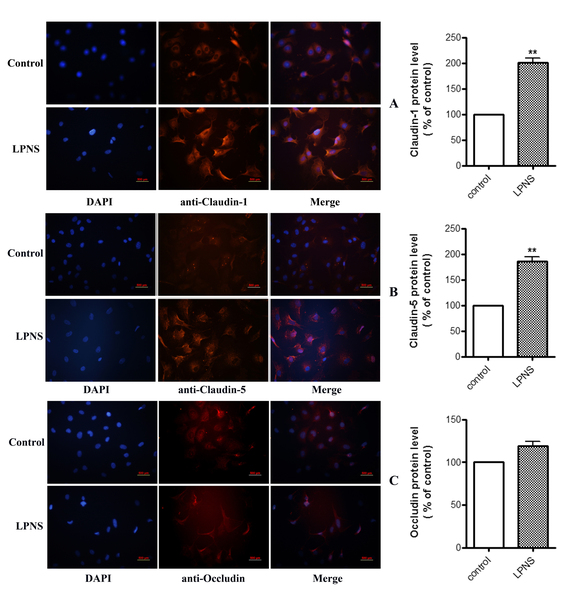
Disruption of the blood-brain barrier (BBB) is related to many neurological disorders, and can be caused by oxidative stress to cerebral microvascular endothelial cells (CMECs) composing the BBB. The authors of the paper investigated the protective effects of the total saponins in the leaves of Panax notoginseng (LPNS) on oxidative-stress-induced damage in a mouse cerebral microvascular endothelial cell line.

Read More...

Assessing the Efficacy of NOX Enzyme Inhibitors as Potential Treatments for Ischemic Stroke in silico

Vinay et al. | Sep 18, 2020

Assessing the Efficacy of NOX Enzyme Inhibitors as Potential Treatments for Ischemic Stroke <i>in silico</i>

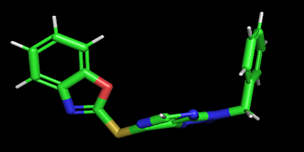
Ischemic stroke occurs when blood flow to the brain is interrupted, causing brain damage. This study investigated the effectiveness of different NOX inhibitors as treatments for ischemic stroke in silico. The results help corroborate previous in vivo and in vitro studies in an in silico format, and can be used towards developing drugs to treat ischemic stroke.

Read More...

Utilizing a Wastewater-Based Medium for Engineered Saccharomyces cerevisiae for the Biological Production of Fatty Alcohols and Carboxylic Acids to Replace Petrochemicals

Ramesh et al. | Oct 02, 2019

Utilizing a Wastewater-Based Medium for Engineered <em>Saccharomyces cerevisiae</em> for the Biological Production of Fatty Alcohols and Carboxylic Acids to Replace Petrochemicals

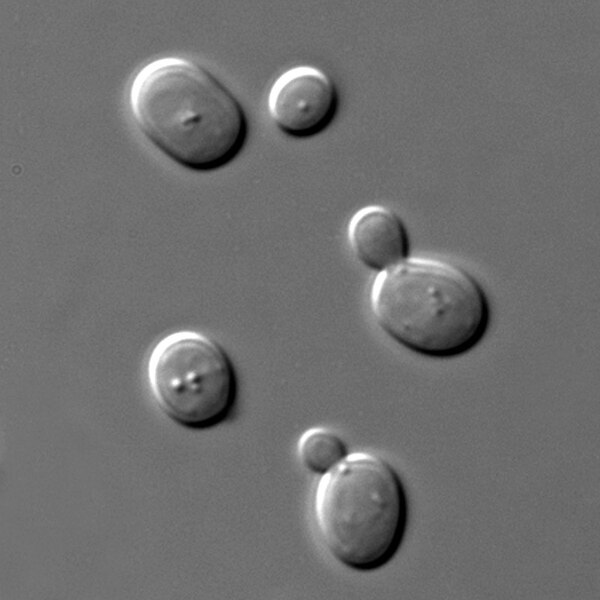
Saccharomyces cerevisiae yeast is used to produce bioethanol, an alternative to fossil fuels. In this study, authors take advantage of this well studied yeast by genetically engineering them to increase fatty acid biosynthesis and culturing in a cost-effective wastewater based medium; potentially providing a sustainable alternative to petrochemicals.

Read More...