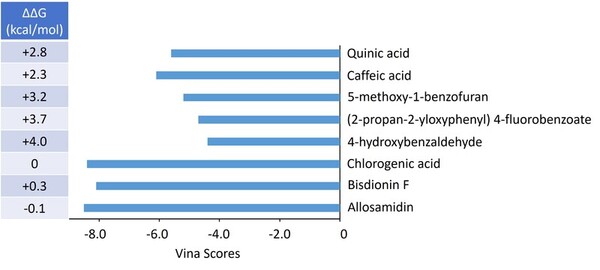
This study investigated whether chlorogenic acid, a plant compound with known health benefits, can interact with the proteins CHIT1 and CHI3L1, which could ultimately lead to new therapeutic strategies for a range of chronic diseases.
Read More...Computational prediction of chlorogenic acid binding to disease-linked proteins CHIT1 and CHI3L1
This study investigated whether chlorogenic acid, a plant compound with known health benefits, can interact with the proteins CHIT1 and CHI3L1, which could ultimately lead to new therapeutic strategies for a range of chronic diseases.
Read More...Analyzing the effects of genetic mutations in BRCA1, BRCA2, BARD1, and MLH1 in causing different cancers
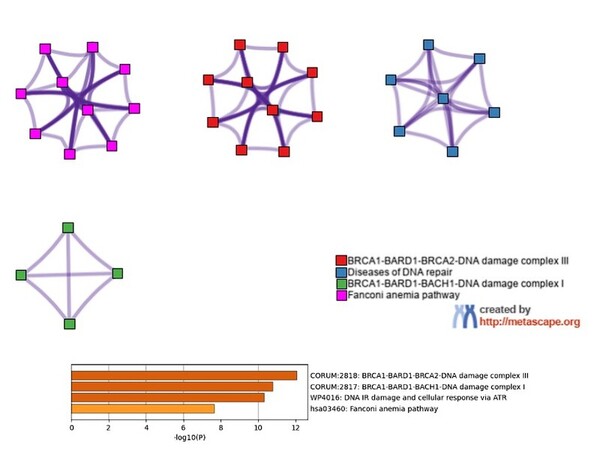
This paper utilizes multiple publicly available cancer datasets to explore the abundance of different genetic dependencies across various cancer types. They explore this by looking at four genes highly associated with cancer and their genetic and pathogenic relationships.
Read More...Two Wrongs Could Make a Right: Food Waste Compost Accelerated Polystyrene Consumption of Tenebrio molitor
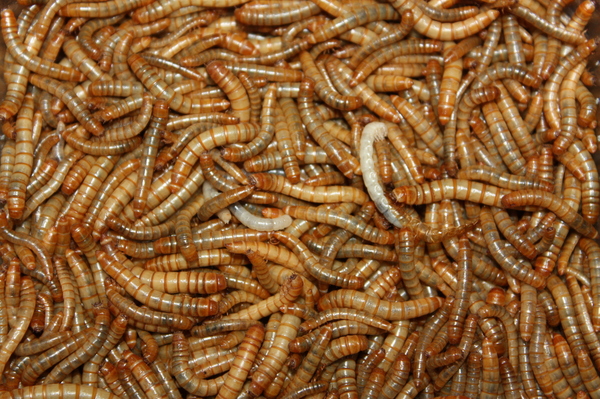
Expanded polystyrene (EPS) is a plastic used to make food containers and packing materials that poses a threat to the environment. Mealworms can degrade EPS, but at a slow rate. Here, researchers assessed the impact of food waste compost and oats on the speed of EPS consumption by mealworms, superworms, and waxworms. A positive correlation was found between food waste compost supplementation and EPS consumption, especially by mealworms, indicating a potential industrial application.
Read More...The Role of Race in the Stereotyping of a Speaker’s Accent as Native or Non-native

In the modern world, communication and mobility are no longer obstacles. A natural consequence is that people from all over the world are mixing like never before and national identity can no longer be determined simply by a person's appearance or manner of speech. In this article, the authors study how a person's accent interferes with the perception of a their national identity and proposes ways to eliminate such biases.
Read More...The effect of molecular weights of chitosan on the synthesis and antifungal effect of copper chitosan
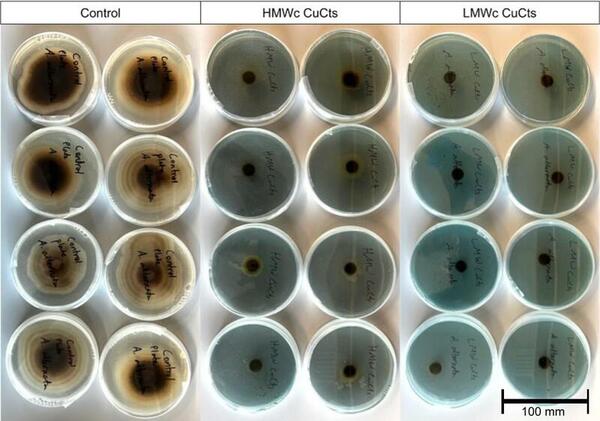
Pathogenic fungi such as Alternaria alternata (A. alternata) can decimate crop yields and severely limit food supplies when left untreated. Copper chitosan (CuCts) is a promising alternative fungicide for developing agricultural areas due to being inexpensive and nontoxic. We hypothesized that LMWc CuCts would exhibit greater fungal inhibition due to the beneficial properties of LMWc.
Read More...Iron oxide nanoparticles coated with liposomes and chitosan pass a model blood–brain barrier to kill bacteria
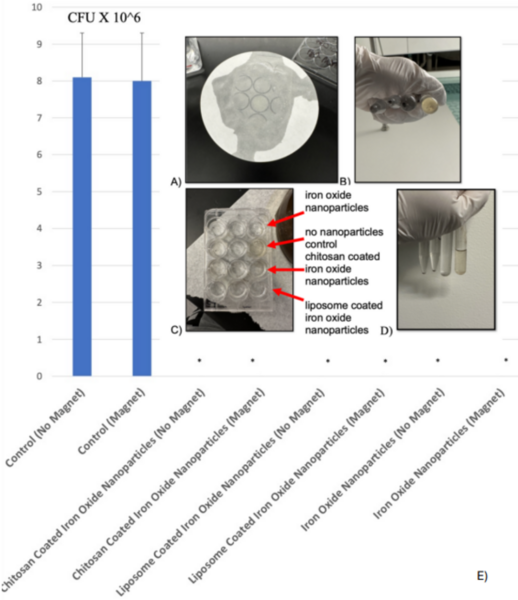
This study explored using iron oxide nanoparticles embedded in liposomes and coated with antibacterial chitosan as a potential alternative to antibiotics for treating bacterial meningitis. The nanoparticles were tested for their ability to cross a model blood–brain barrier and kill E. coli, with and without magnetic guidance.
Read More...In silico modeling of emodin’s interactions with serine/threonine kinases and chitosan derivatives
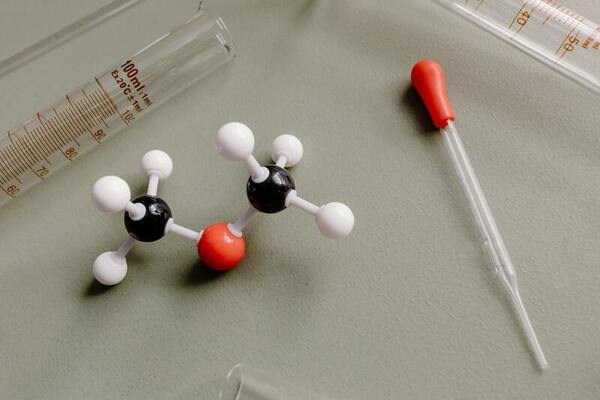
Here, through protein-ligand docking, the authors investigated the effect of the interaction of emodin with serine/threonine kinases, a subclass of kinases that is overexpressed in many cancers, which is implicated in phosphorylation cascades. Through molecular dynamics theyfound that emodin forms favorable interactions with chitosan and chitosan PEG (polyethylene glycol) copolymers, which could aid in loading drugs into nanoparticles (NPs) for targeted delivery to cancerous tissue. Both polymers demonstrated reasonable entrapment efficiencies, which encourages experimental exploration of emodin through targeted drug delivery vehicles and their anticancer activity.
Read More...Comparing the Biodegradability of Petroleum-based Plastic with a Novel, Sustainable Bio-plastic Alternative
.jpg)
In this research, a novel bioplastic inclusive of bamboo tannins and chitosan is selected from more than 60 trial formula variations based on resulting strength, fatigue, and transparency attributes. The biodegradability of the finalized bioplastic is compared to that of conventional polyethylene, in addition to investigating its solubility and water absorbance. This research displays the potential of a legitimate, fully biodegradable plastic alternative to current marketplace bioplastics.
Read More...Estimating Paleoenvironments Utilizing Foraminiferal Fossils from the Toyohama Formation, Aichi Prefecture, Central Japan
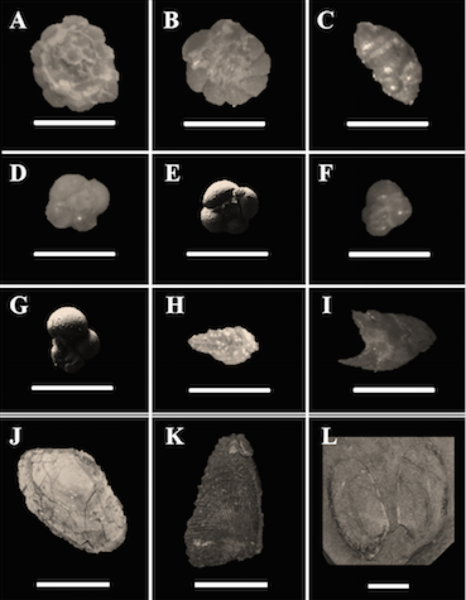
Foraminifera are a diverse phylum of marine protists that produce elaborate shells. Because of their abundance and morphological diversity, foraminiferal fossil assemblages are used for biostratigraphy, to accurately date sedimentary rocks and to characterize past ocean environments. In this paper, authors collected fossils within the Morozaki Group in central Honshu, Japan, to assess past marine environments and species diversity.
Read More...Functionalized graphene oxide nanoparticles for improved saltwater treatment
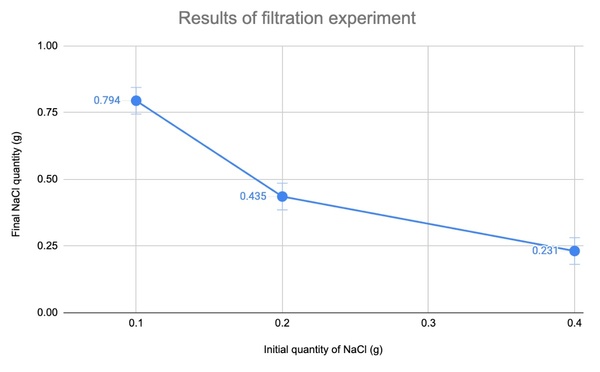
The authors investigated the efficacy of functionalized graphene oxide nanoparticles for turning saltwater to freshwater.
Read More...