Browse Articles

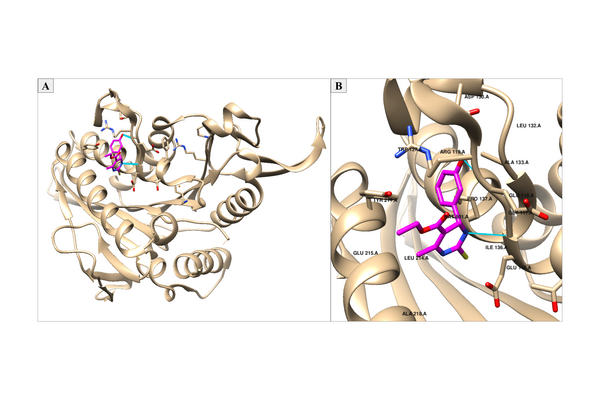
High-throughput virtual screening of novel dihydropyrimidine monastrol analogs reveals robust structure-activity relationship to kinesin Eg5 binding thermodynamics

Shern et al. | Jan 20, 2021

High-throughput virtual screening of novel dihydropyrimidine monastrol analogs reveals robust structure-activity relationship to kinesin Eg5 binding thermodynamics

As cancer continues to take millions of lives worldwide, the need to create effective therapeutics for the disease persists. The kinesin Eg5 assembly motor protein is a promising target for cancer therapeutics as inhibition of this protein leads to cell cycle arrest. Monastrol, a small dihydropyrimidine-based molecule capable of inhibiting the kinesin Eg5 function, has attracted the attention of medicinal chemists with its potency, affinity, and specificity to the highly targeted loop5/α2/α3 allosteric binding pocket. In this work, we employed high-throughput virtual screening (HTVS) to identify potential small molecule Eg5 inhibitors from a designed set of novel dihydropyrimidine analogs structurally similar to monastrol.

Read More...
The Effect of the Human MeCP2 gene on Drosophila melanogaster behavior and p53 inhibition as a model for Rett Syndrome

Ganga et al. | Sep 07, 2020

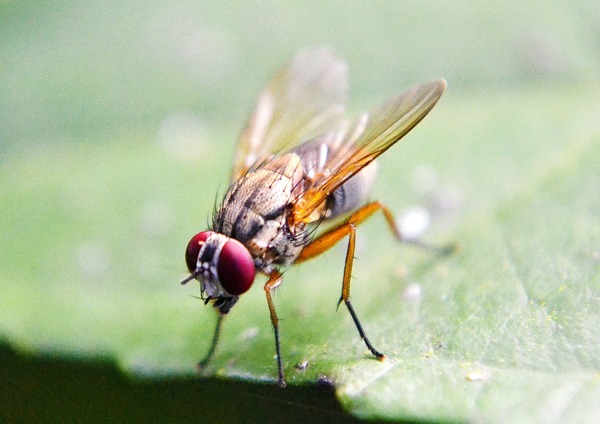
The Effect of the Human <i>MeCP2</i> gene on <i>Drosophila melanogaster</i> behavior and p53 inhibition as a model for Rett Syndrome

In this study, the authors observe if the symptoms of Rett Syndrome, a neurodegenerative disease in humans, are reflected in Drosophila melanogaster. This was achieved by differentiating the behavior and physical aspects of wild-type flies from flies expressing the full-length MeCP2 gene and the mutated MeCP2 gene (R106W). After conducting these experiments, some of the Rett Syndrome symptoms were recapitulated in Drosophila, and a subset of those were partially ameliorated by the introduction of pifithrin-alpha.

Read More...

Relationship between p62 and learning behavior in male and female mice deficient in hippocampal folliculin

Guvenir et al. | Jun 10, 2025

Relationship between p62 and learning behavior in male and female mice deficient in hippocampal folliculin
Image credit: Robina Weermeijer

Here the authors hypothesized that reducing folliculin (FLCN) might affect p62 protein levels in the dorsal hippocampus of mice, given their potential functional connection and p62's role in neurodegenerative diseases. Their study, using western blots and a two-way ANOVA on young wild-type mice, found that p62 levels correlated with FLCN expression, but ultimately concluded there's no evidence of a functional connection between FLCN and p62 in this specific model.

Read More...

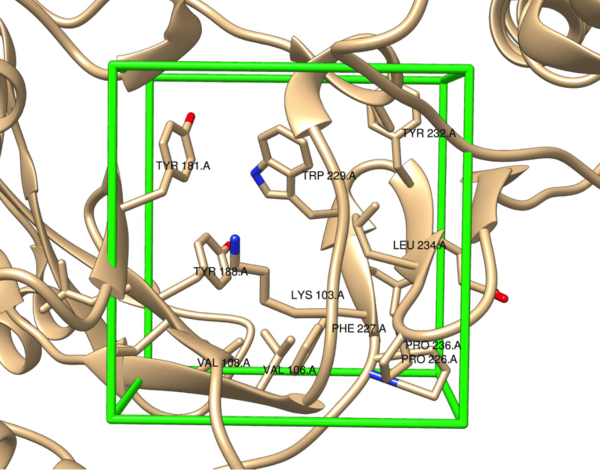
Exploring Interactions between PFAS (Per- and Polyfluoroalkyl Substances) and proteins

Lu-Yang et al. | May 16, 2026

Exploring Interactions between PFAS (Per- and Polyfluoroalkyl Substances) and proteins
Image credit: Authors

Here the authors investigated how the "forever chemical" perfluorooctanoic acid binds to bovine serum albumin (BSA) using computational software to simulate its potential impact on essential human plasma proteins. They identify a possible, high-energy binding configuration that could persistently impair protein functions, underscoring the critical need for further research into the long-term health risks of per- and poly-fluoroalkyl substances exposure.

Read More...