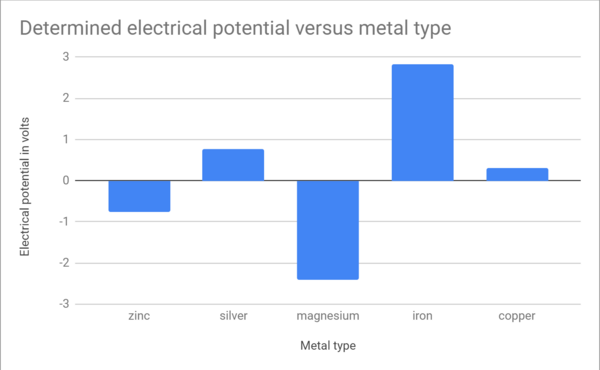
In this study, the authors investigate what metals make the most efficient electrochemical cells, which are batteries that use the difference in electrical potential to generate electricity. Calculations predicted that a cell made of iron and magnesium would have the highest efficiency. Construction of an electrochemical cell of iron and magnesium produced voltages close to the theoretical voltage predicted. These findings are important as work continues towards making batteries with the highest storage efficiency possible.
Read More...Browse Articles
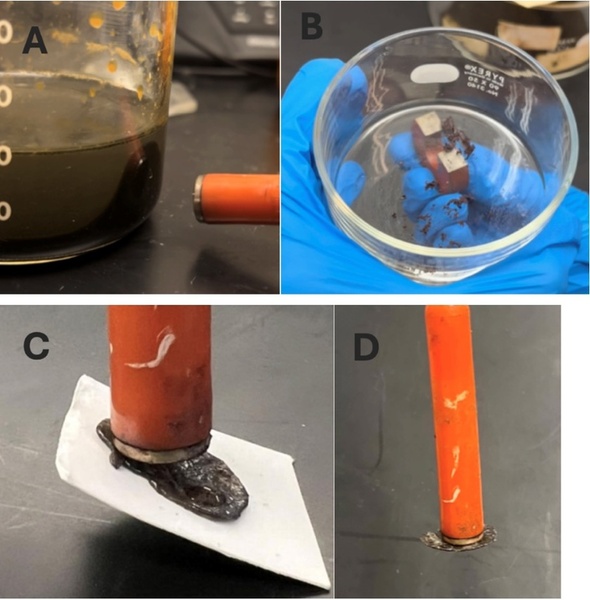
Integration of iron oxide nanoparticles into high-density polyethylene for sustainable cup coatings
Here the authors propose integrating magnetic iron (II) oxide nanoparticles into the high-density polyethylene linings of disposable paper cups to create a waterproof, magnetically responsive composite liner. Their findings demonstrate that these nanoparticles successfully bond with the plastic layer without disrupting its structural integrity, offering a viable method to improve plastic recovery through magnetic recycling and mitigate global microplastic pollution.
Read More...Innovative use of recycled textile fibers in building materials: A circular economy approach
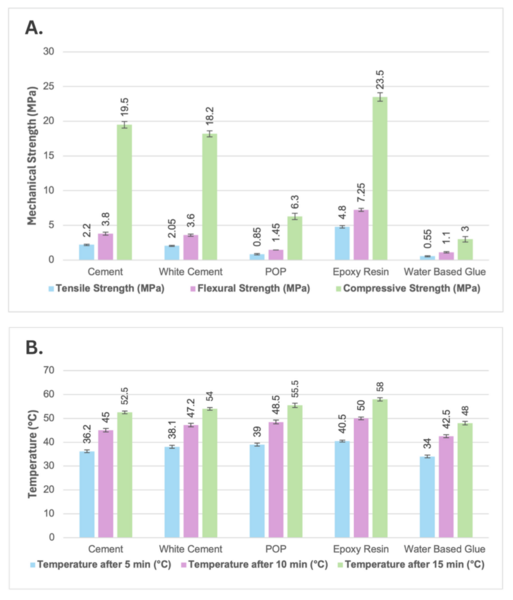
Textile waste from the fashion industry is a major environmental pollutant, but recycling waste into novel building material is a strategy to reduce the negative effects. This manuscript characterized five different binders that can be used to repurpose textile waste into bricks for construction purposes. Water-based glue, cement, white cement, plaster of Paris, and epoxy resin were mixed with shredded textile waste, and the mechanical characteristics and thermal insulation of each brick type were measured. Bricks with increased mechanical strength had the poorest thermal resistance, and the contrasting properties would suit different building purposes. This work provides a first step in generating recycled textile bricks for construction in a circular economy framework.
Read More...AI-designed mini-protein targeting claudin-5 to enhance blood–brain barrier integrity
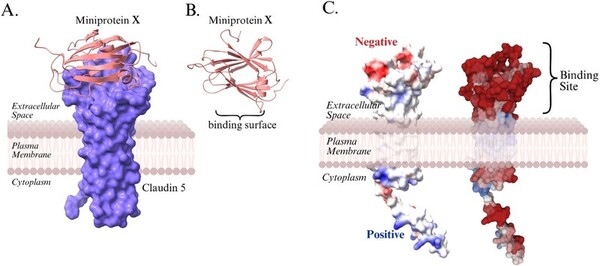
The authors employ computational protein design to identify a mini-protein with the potential to enhance binding of the tight junction protein, claudin-5, at the blood-blood barrier with therapeutic potential for neurodegenerative diseases.
Read More...Silver nanoparticle-coated orthopedic screws lead to greater calcium precipitation
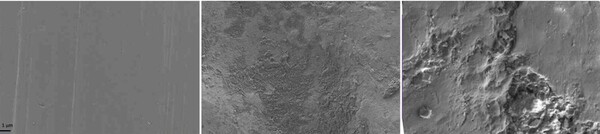
The authors test whether coating stainless steel orthopedic screws in silver will promote calcium precipitation to improve orthopedic implant integration into bone.
Read More...Observing food and density effects on the reproductive strategies of Heterandria formosa
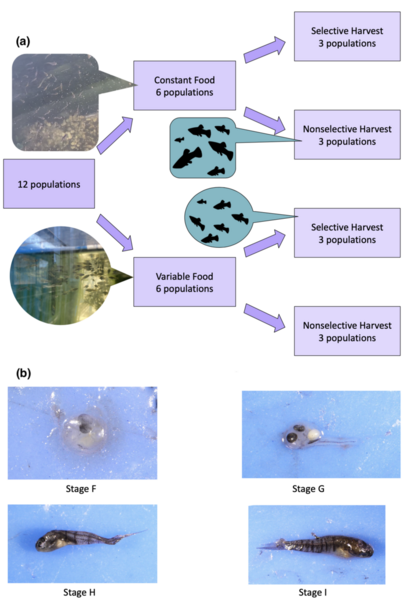
The authors looked at the impact of different harvest and feeding treatments on Heterandria formosa over three generations as a model for changes in marine ecosystems.
Read More...The Dependence of CO2 Removal Efficiency on its Injection Speed into Water
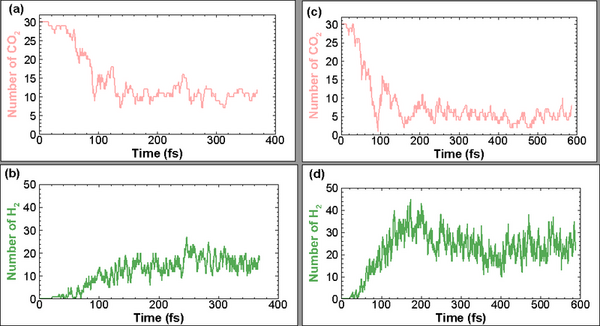
Recent research confirms that climate change, driven by CO2 emissions from burning fossil fuels, poses a significant threat to humanity. In response, authors explore methods to remove CO2 from the atmosphere, including breaking its molecular bonds through high-speed collisions.
Read More...Are Asian foods healthier than Western foods: Evidence collected from St. Louis area grocery stores
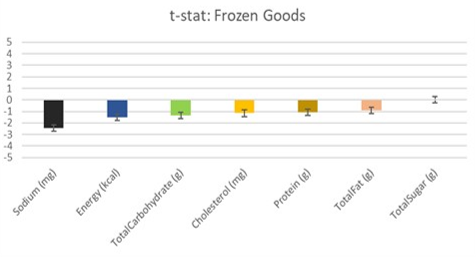
The authors compare nutritional content of foods found in Western versus Asian grocery stores to determine whether one cultural diet is healthier than the other.
Read More...Copper nanoparticle synthesis using Picea glauca ‘Conica’
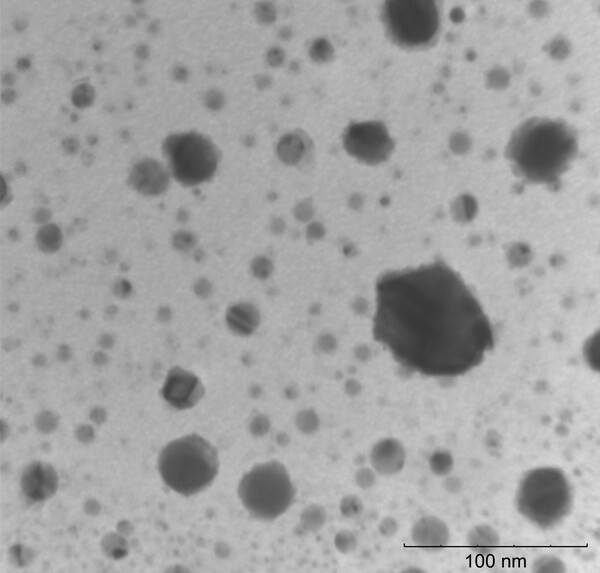
The authors propose a method to recycle Christmas tree needles into a non-toxic reducing agent for synthesizing copper nanoparticles.
Read More...A novel filtration model for microplastics using natural oils and its application to the environment
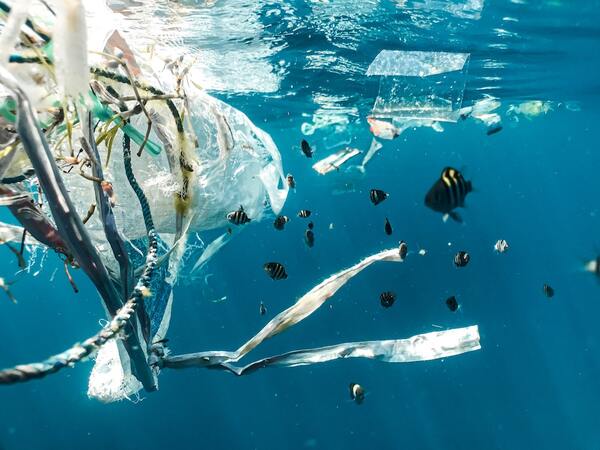
Recognizing the need for a method to filter microplastics from polluted water the authors sought to use nonpolar solvents, palm oil and palm kernel oil, to filter microplastics out of model seawater. By relying on the separation of polar and nonpolar solvents followed by freezing the nonpolar solvent, they reported that microplastics could be extracted with percentages ranging from 96.2% to 94.2%. They also provided an estimation to use this method as part of container ships to clean the Pacific Ocean of microplastics.
Read More...