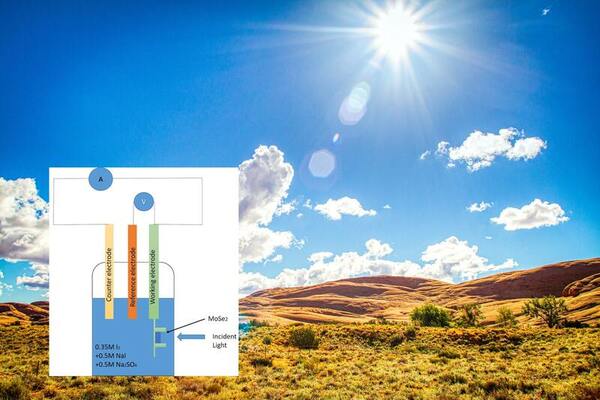
Here, seeking to develop more efficient solar cells, the authors investigated photo-electrochemical (PEC) solar cells, specifically molybdenum diselenide (MoSe2) based on its high resistance to corrosion. They found that the percentage efficiency of these PEC solar cells was proportional to light intensity–0.9 and that performance was positively influenced by increasing the electrolyte volume. They suggest that studies such as these can lead to new insight into reaction-based solar cells.
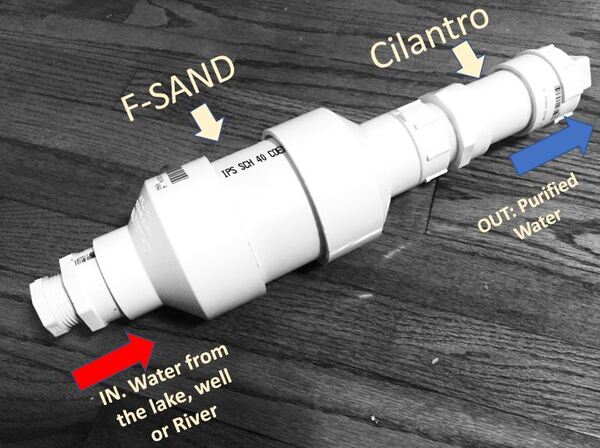
In this study, the authors investigate whether Moringa Oleifera seeds can serve as material to aid in purifying water. M. oleifera seeds have coagulating properties and the authors hypothesized that including it in a water filtration system would reduce particles, specifically bacteria, in water. Their results show that this system removed the largest percent of bacteria. When used in combination with cilantro, it was actually more efficient than the other techniques! These findings have important implications for creating better and more economical water purification systems.
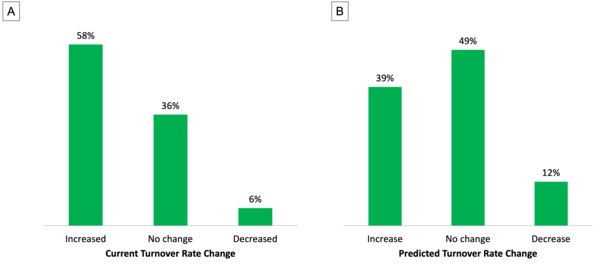
In this study, the authors address potential reasons why employees may voluntarily resign. This is in response to the currently observed economic trend The Great Resignation. Through analysis of federal and local government data along with survey results from Fairfax County, they concluded that adding additional benefits will help companies retain talented empolyees.
Content warning: This article discusses the frequency and impact of mass violence incidents, particularly school shootings. Gun violence, threats of gun violence, firearm supply, fatalities among minors, and bullying are discussed but not graphically described.
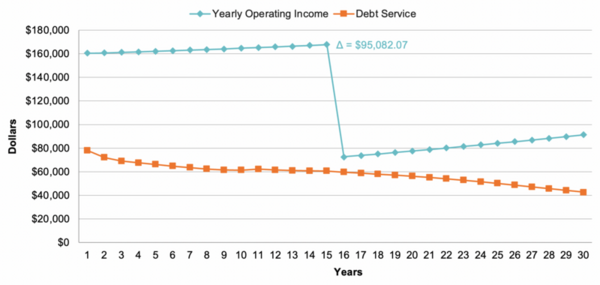
Global reliance on extractive energy sources has many downsides, among which are inconsistent supply and consequent price volatility that distress companies and consumers. It is unclear if renewable energy offers stable and affordable solutions to extractive energy sources. The cost of solar energy generation has decreased sharply in recent years, prompting a surge of installations with a range of financing options. Even so, most existing options require upfront payment, making installation inaccessible for towns with limited financial resources. The primary objective of our research is to examine the use of green bonds to finance solar energy systems, as they eliminate the need for upfront capital and enable repayment through revenue generated over time. We hypothesized that if we modeled the usage of green bonds to finance the installation of a solar energy system in New Jersey, then the revenue generated over the system’s lifetime would be enough to repay the bond. After modeling the financial performance of a proposed solar energy-producing carport in Madison, New Jersey, financed with green bonds, we found that revenue from solar energy systems successfully covered the annual green bond payments and enabled the installers to obtain over 50% of the income for themselves. Our research demonstrated green bonds as a promising option for New Jersey towns with limited financial resources seeking to install solar energy systems, thereby breaking down a financial barrier.
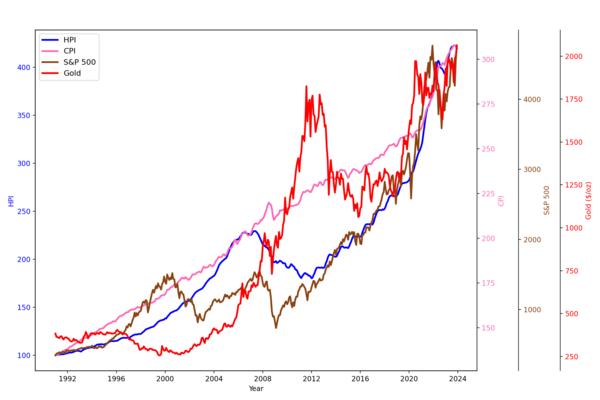
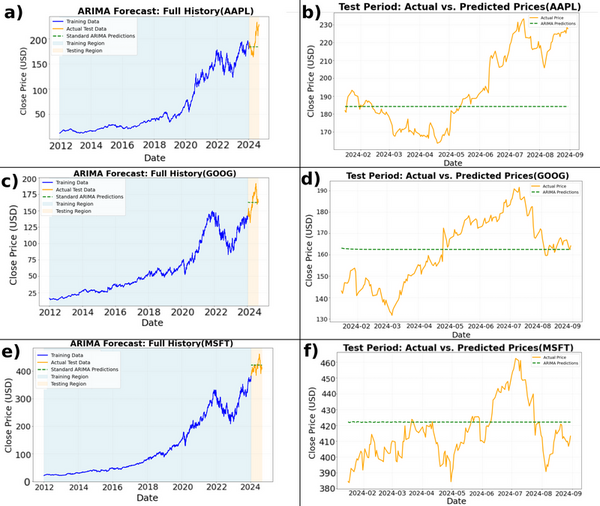
Classical financial forecasting models often fail to capture the complex, nonlinear dynamics of the stock market. This study demonstrates that incorporating a single variable to represent the 'geometric curvature' of a time series dramatically improves the accuracy of standard econometric forecasts. Our findings highlight that geometric properties are a significant predictive factor, opening new avenues for more powerful financial modeling.
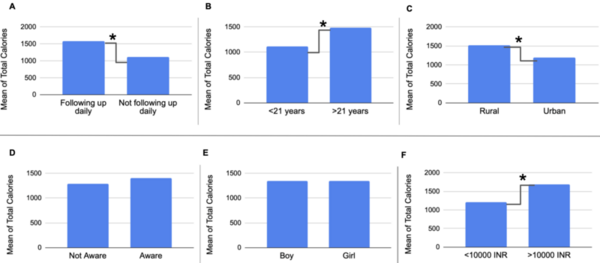
Here, based on the identified importance of physical activity in the development of young children, the authors investigated the effects of socioeconomic factors on the amount of physical activity of government-school children in India. They found significant differences between boys and girls, rural and urban, and children who were encouraged to exercise and those who were not. Overall, they suggest that their findings point to the important role of schools and communities in promoting healthy active lifestyles for developing children.
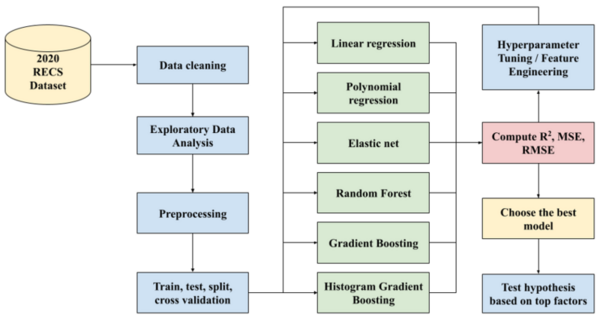
This study used machine learning models to examine which factors most influenced U.S. household energy consumption in 2020 using data from 18,496 households.