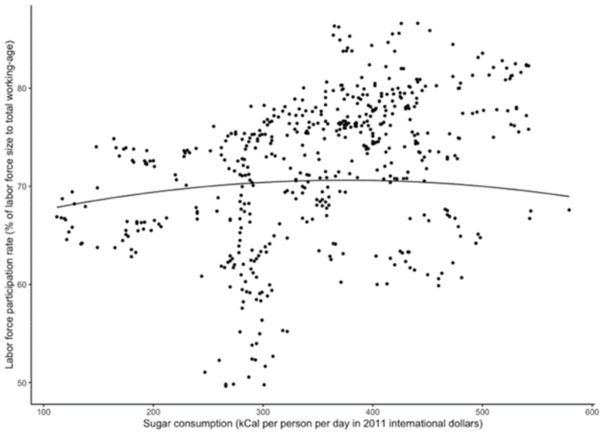
In this article the authors look at sugar consumption and the relationship to productivity in the work/labor force.
Read More...A spatiotemporal analysis of OECD member countries on sugar consumption and labor force participation
In this article the authors look at sugar consumption and the relationship to productivity in the work/labor force.
Read More...How are genetically modified foods discussed on TikTok? An analysis of #GMOFOODS

Here, the authors investigated engagement with #GMOFOODS, a hashtag on TikTok. They hypothesized that content focused on the negative effects of genetically modified organisms would receive more interaction driven by consumers. They found that the most common cateogry focused on the disadvantages of GMOs related to nutrition and health with the number of views determining if the video would be provided to users.
Read More...Repurposing citrus peel waste and its positive effects on our health and communities

Every year, more than 30% of food products go to waste. This is approximately 1.3 billion tons of food, which is equivalent to 1.3 trillion U.S. dollars. While conventional solid waste treatments and fertilization of food waste are common, citrus fruit peels require secondary applications and advanced disposal management due to their low pH values and high antimicrobial characteristics. Since citrus fruits are well-known sources of vitamin C and antioxidants, we hypothesized that their peels also contain high amounts of vitamin C and antioxidants. In our study, five common citrus peels including grapefruit, lemon, lime, orange, and tangerine, were used to determine the amounts of vitamin C and total soluble antioxidants.
Read More...Dietary calcium intake and lead body burden in U.S. adolescents
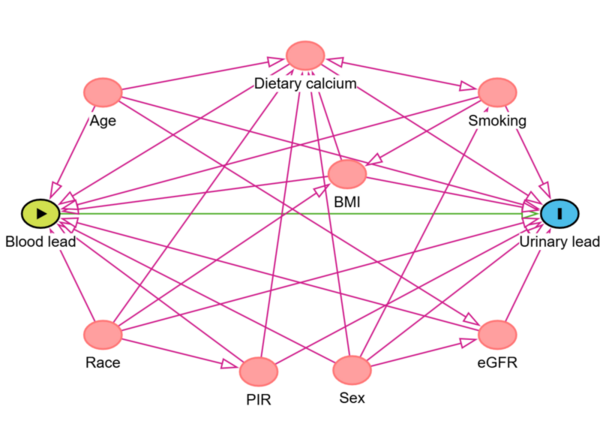
We investigated whether dietary calcium intake affects how adolescents handle lead internally. Using paired blood and urinary lead data, we assessed whether calcium status is associated with differences in lead clearance. The results point to subgroups of adolescents—particularly those with lower calcium intake—who may carry a higher internal lead burden than their blood levels alone would suggest.
Read More...Heterotrophic culture of Spirulina platensis improved its growth and the study of its nutritional effect
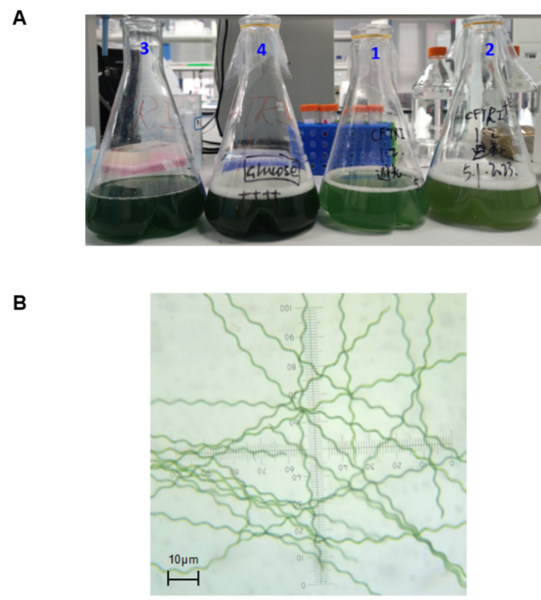
The authors looked at the ability to grow S. platensis on a larger scale with reduced cost given that it is currently quite expensive to grow, but poses as an important food source in the future.
Read More...Building deep neural networks to detect candy from photos and estimate nutrient portfolio

The authors use pictures of candy wrappers and neural networks to improve nutritional accuracy of diet-tracking apps.
Read More...A comparative study of food labels in the United States and India: Adherence to Codex Alimentarius guidelines
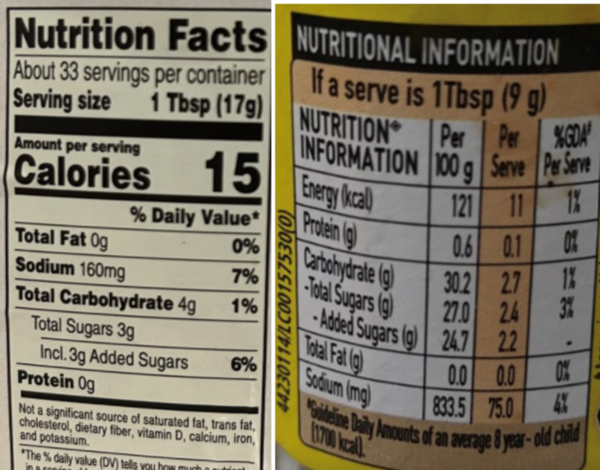
This study investigated how well food labels from 280 different brands across multiple food and drink categories in India and the US adhered to recommended nutritional labeling standards as outlined by the Codex Alimentarius.
Read More...Longer Exposure to 2% India Ink Increases Average Number of Vacuoles in Tetrahymena pyriformis
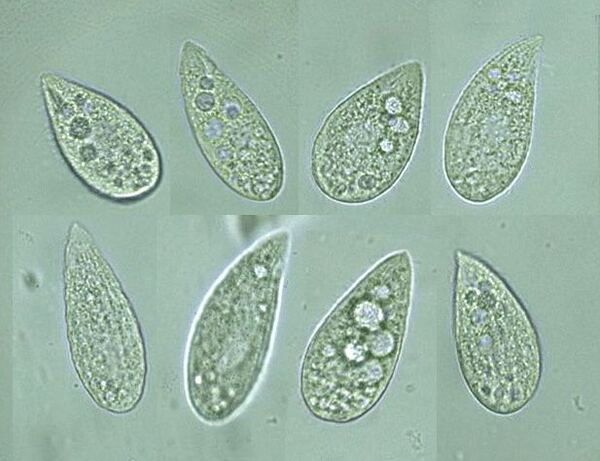
Phagocytes feed by forming food vacuoles. In this article the authors investigate the extent that exposure of non-nutritional food, such as India Ink, to Tetrahymena pyriformis affects the number of vacuole formation. These studies provide insight to how organisms budget their energy and metabolic processes during an energy shortage.
Read More...Alloferon improves the growth performance and developmental time of mealworms (Tenebrio molitor)
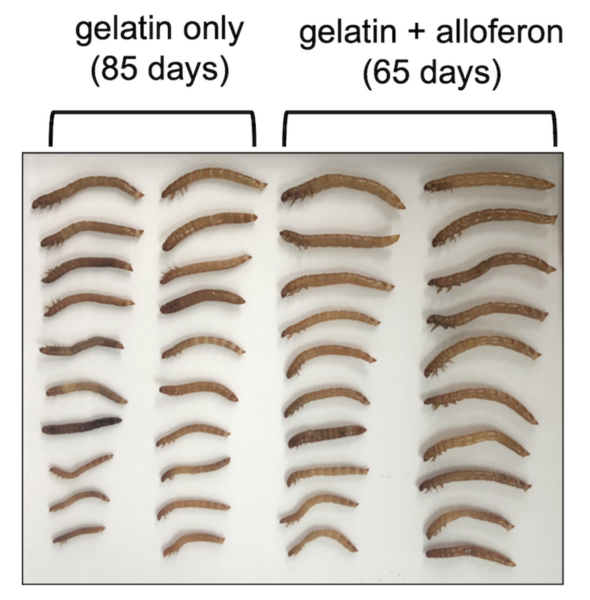
Mealworms (Tenebrio molitor) are important food sources for reptiles, birds, and other organisms, as well as for humans. However, the slow growth and low survival rate of mealworms cause problems for mass production. Since alloferon, a synthetic peptide, showed long-term immunological effects on mealworms, we hypothesized that alloferon would function as a growth promoter to maximize mealworm production. We discovered that the overall weight of the alloferon-containing gelatin diet group was 39.5-90% heavier, and the development time of the experimental group was shortened up to 20.6-39.6% than the control group.
Read More...Slowing the Mold Growth on Stored Corn: The Effects of Vinegar, Baker’s Yeast, and Yogurt on Corn Weight Loss
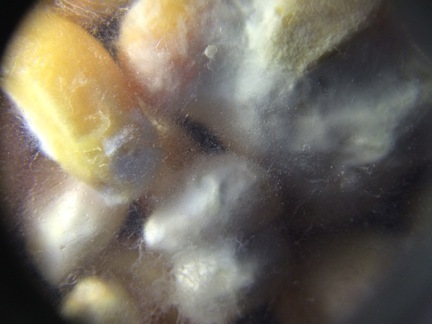
Chemical preservatives are often used to reduce grain spoilage due to mold, but can have harmful heath and environmental effects. In this study, the authors tested three low toxic compounds for their effects on mold growth on corn kernels and found that all three were successful at slowing growth.
Read More...