Browse Articles

Understanding the impossibility of machine learning fairness with data examples

Pillutla et al. | Sep 04, 2026

Understanding the impossibility of machine learning fairness with data examples

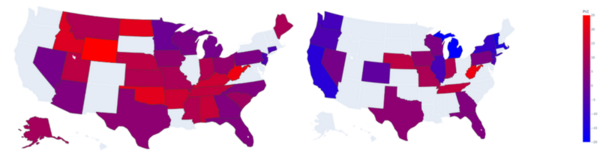
Machine learning systems are often expected to make fair decisions, yet the most widely used fairness criteria—independence, separation, and sufficiency—cannot generally be satisfied at the same time. In this study, students tested these criteria using a logistic regression model on a real-world student performance dataset and found that each criterion was met only at different prediction thresholds, with no threshold satisfying all three simultaneously. These results illustrate the inherent trade-offs in algorithmic fairness and highlight why achieving perfectly fair machine learning models is often impossible in practice.

Read More...
Analysis of the catalytic efficiency of spent coffee grounds and titanium dioxide using UV-Vis spectroscopy

Jahng et al. | Dec 09, 2025

Analysis of the catalytic efficiency of spent coffee grounds and titanium dioxide using UV-Vis spectroscopy
Image credit: Jahng and Kim

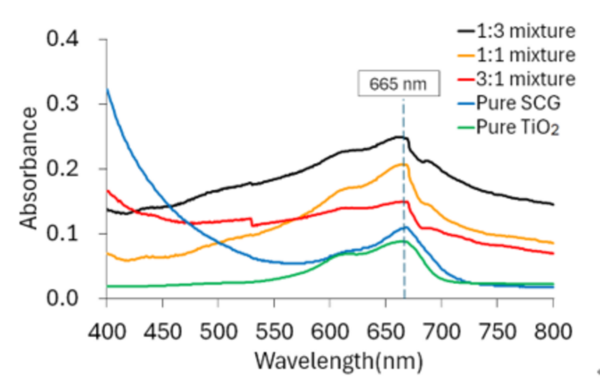
This paper looks at using spent coffee grounds as a partial substitute for titanium dioxide (TiO2) as a catalyst for chemical reactions. Using UV-Vis spectrophotometry, they found that adding the coffee grounds to TiO2 in a 3:1 ratio, there is still meaningful catalytic activity. This offers a cheaper solution than just using pure TiO2.

Read More...

The effect of bioenhancers on ampicillin-sulbactam as a treatment against A. baumannii

Balaji et al. | Sep 21, 2024

The effect of bioenhancers on ampicillin-sulbactam as a treatment against <i>A. baumannii<i>

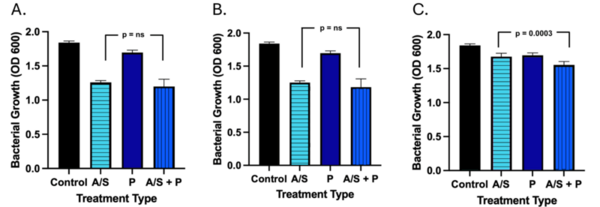
This article explores the potential of piperine, a bioenhancer from black pepper, to improve antibiotic efficacy against antibiotic-resistant Acinetobacter baumannii. By combining piperine with ampicillin-sulbactam, the study demonstrated a significant reduction in bacterial growth for most strains tested, showcasing the promise of bioenhancers in combating resistant pathogens. This research highlights the possibility of reducing the required antibiotic dosage, potentially offering a new strategy in the fight against drug-resistant bacteria.

Read More...

Investigating Lemna minor and microorganisms for the phytoremediation of nanosilver and microplastics

Iyer et al. | Apr 01, 2024

Investigating <i>Lemna minor</i> and microorganisms for the phytoremediation of nanosilver and microplastics

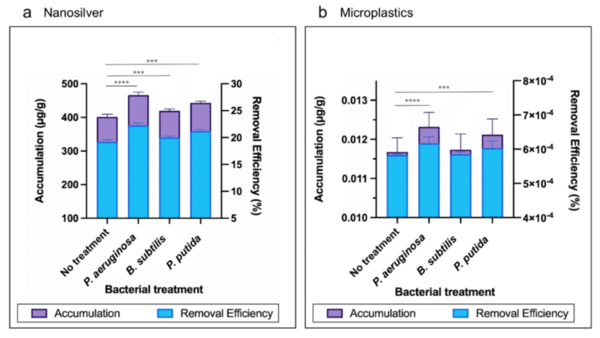
The authors looked at phytoremediation, the process by which plants are used to remove pollutants from our environment, and the ability of Lemna minor to perform phytoremediation in various simulated polluted environments. The authors found that L. minor could remove pollutants from the environment and that the addition of bacteria increased this removal.

Read More...

Utilizing meteorological data and machine learning to predict and reduce the spread of California wildfires

Bilwar et al. | Jan 15, 2024

Utilizing meteorological data and machine learning to predict and reduce the spread of California wildfires
Image credit: Pixabay

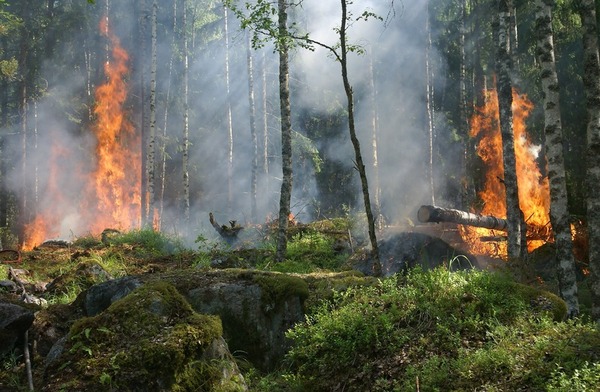
This study hypothesized that a machine learning model could accurately predict the severity of California wildfires and determine the most influential meteorological factors. It utilized a custom dataset with information from the World Weather Online API and a Kaggle dataset of wildfires in California from 2013-2020. The developed algorithms classified fires into seven categories with promising accuracy (around 55 percent). They found that higher temperatures, lower humidity, lower dew point, higher wind gusts, and higher wind speeds are the most significant contributors to the spread of a wildfire. This tool could vastly improve the efficiency and preparedness of firefighters as they deal with wildfires.

Read More...

Suppress that algae: Mitigating the effects of harmful algal blooms through preemptive detection & suppression

Natarajan et al. | Jul 17, 2023

Suppress that algae: Mitigating the effects of harmful algal blooms through preemptive detection & suppression
Image credit: Sharanya Natarajan

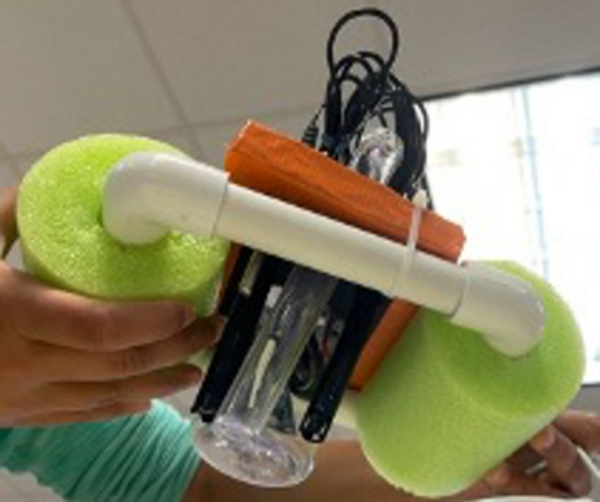
A bottleneck in deleting algal blooms is that current data section is manual and is reactionary to an existing algal bloom. These authors made a custom-designed Seek and Destroy Algal Mitigation System (SDAMS) that detects harmful algal blooms at earlier time points with astonishing accuracy, and can instantaneously suppress the pre-bloom algal population.

Read More...