Browse Articles

The ecological mysteries of Opheodesoma spectabilis : Seasonal trends, habitat preferences, and climate responses

Watson et al. | Jul 26, 2026

The ecological mysteries of <i>Opheodesoma spectabilis</i>	: Seasonal trends, habitat preferences, and climate responses

This study examines how environmental conditions influence the abundance and ecological role of the sea cucumber Opheodesoma spectabilis in Kāneʻohe Bay. Field observations and laboratory experiments showed that the species is more common in algae-dominated sandy habitats, where it improves water clarity and increases dissolved oxygen through bioturbation. However, exposure to very high temperatures caused rapid mortality, suggesting that marine heat waves could threaten this species and the ecological functions it provides.

Read More...

Development of selective RAC1/KLRN inhibitors

Kubrat Neczaj-Hruzewicz et al. | Nov 04, 2024

Development of selective RAC1/KLRN inhibitors

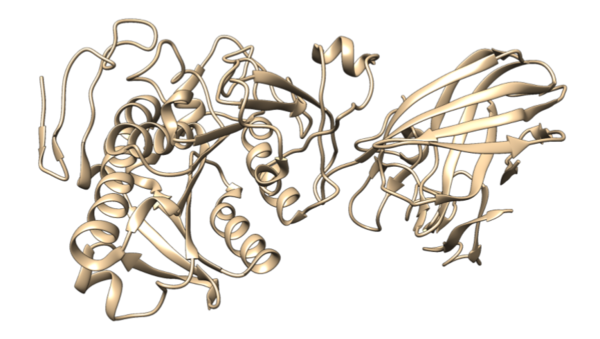
Kalirin is a guanine nucleotide exchange factor (GEF) for the GTPase RAC1, linked to schizophrenia and Alzheimer’s Disease. It plays a crucial role in synaptic plasticity by regulating dendritic spine formation and actin cytoskeleton remodeling, which are essential for creating new synapses. Authors developed two novel compounds targeting kalirin, confirming that predictive modeling can indicate biological activity.

Read More...

Survival analysis in cardiovascular epidemiology: nexus between heart disease and mortality

Lachwani et al. | Oct 23, 2024

Survival analysis in cardiovascular epidemiology: nexus between heart disease and mortality

In 2021, over 20 million people died from cardiovascular diseases, highlighting the need for a deeper understanding of factors influencing heart failure outcomes. This study examined multiple variables affecting mortality after heart failure, using random forest models to identify time, serum creatinine, and ejection fraction as key predictors. These findings could contribute to personalized medicine, improving survival rates by tailoring treatment strategies for heart failure patients.

Read More...

Model selection and optimization for poverty prediction on household data from Cambodia

Wong et al. | Sep 29, 2023

Model selection and optimization for poverty prediction on household data from Cambodia
Image credit: Paul Szewczyk

Here the authors sought to use three machine learning models to predict poverty levels in Cambodia based on available household data. They found teat multilayer perceptron outperformed the other models, with an accuracy of 87 %. They suggest that data-driven approaches such as these could be used more effectively target and alleviate poverty.

Read More...