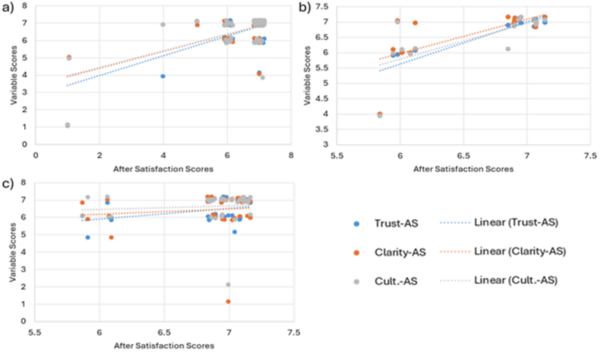
This manuscript explores the use of Spanish language translators in an outpatient clinic in New Jersey. The authors surveyed patients before and after in person, video, and telephone appointments to determine which modality was most acceptable to the patients. The authors found that the three modalities did not differ in patient satisfaction, but that patients were grateful for translations services and that patient trust may be expanded by the use of these services and by focuses of translator soft skills.
Here the authors sought to better understand glioma, cancer that occurs in the glial cells of the brain with gene expression profile analysis. They considered the expression of complement system genes across the transcriptional and IDH-mutational subtypes of low-grade glioma and glioblastoma. Based on their results of their differential gene expression analysis, they found that outcomes vary across different glioma subtypes, with evidence suggesting that categorization of the transcriptional subtypes could help inform treatment by providing an expectation for treatment responses.
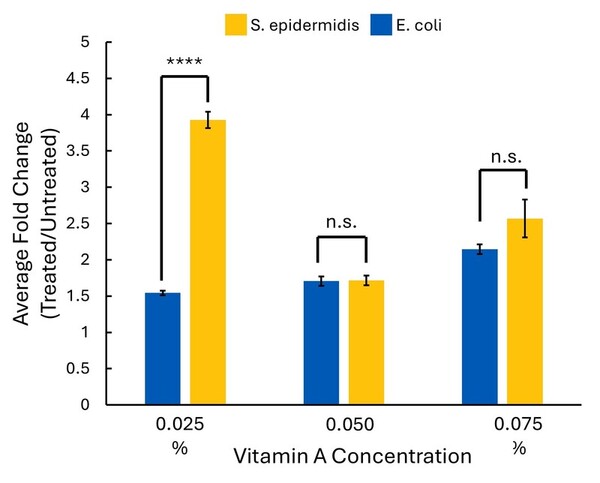
The authors looked at the impact of vitamin A (retinol) on growth of S. epidermidis (most abundant bacterium on the skin) and E. coli (found in the gut microbiome, but not on the skin).
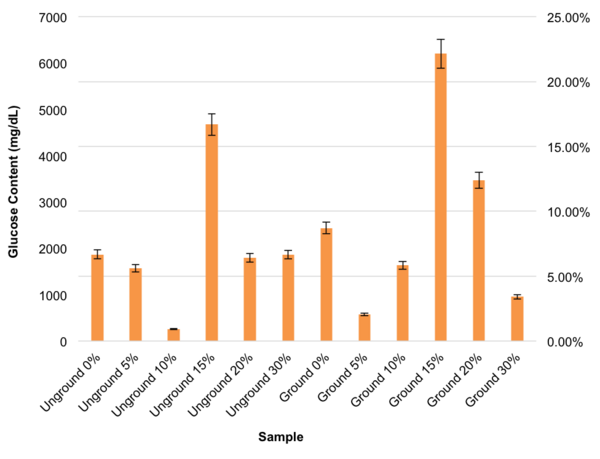
Fossil fuels are a limited resource; thus, it is important to explore new sources of energy. The authors examine the ability of switchgrass to produce ethanol and test the effects of pretreatment and grinding on ethanol yield.
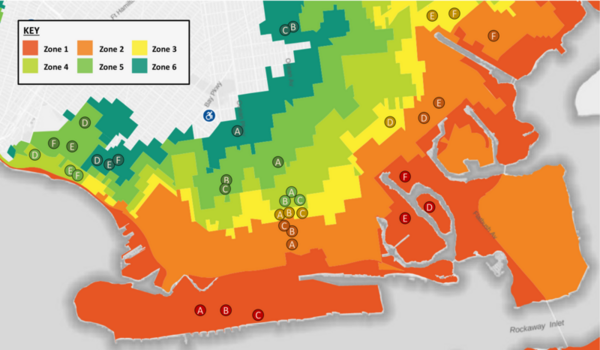
With climate change and rising sea levels, south Brooklyn is exposed to massive flooding and intense precipitation. Previous research discovered that flooding shifts plant species distribution, decreases soil pH, and increases salt concentration, nitrogen, phosphorus, and potassium levels. The authors predicted a decreasing trend from Zone 1 to 6: high-pH, high-salt, and high-nutrients in more flood-prone areas to low-pH, low-salt, and low-nutrient in less flood-prone regions. They performed DNA barcoding to identify plant species inhabiting flood zones with expectations of decreasing salt tolerance and moisture uptake by plants' soil from Zones 1-6. Furthermore, they predicted an increase in invasive species, ultimately resulting in a decrease in biodiversity. After barcoding, they researched existing information regarding invasiveness, ideal soil, pH tolerance, and salt tolerance. They performed soil analyses to identify pH, nitrogen (N), phosphorus (P), and potassium (K) levels. For N and P levels, we discovered a general decreasing trend from Zone 1 to 6 with low and moderate statistical significance respectively. Previous studies found that soil moisture can increase N and P uptake, helping plants adopt efficient resource-use strategies and reduce water stress from flooding. Although characteristics of plants were distributed throughout all zones, demonstrating overall diversity, the soil analyses hinted at the possibility of a rising trend of plants adapting to the increase in flooding. Future expansive research is needed to comprehensively map these trends. Ultimately, investigating trends between flood zones and the prevalence of different species will assist in guiding solutions to weathering climate change and protecting biodiversity in Brooklyn.
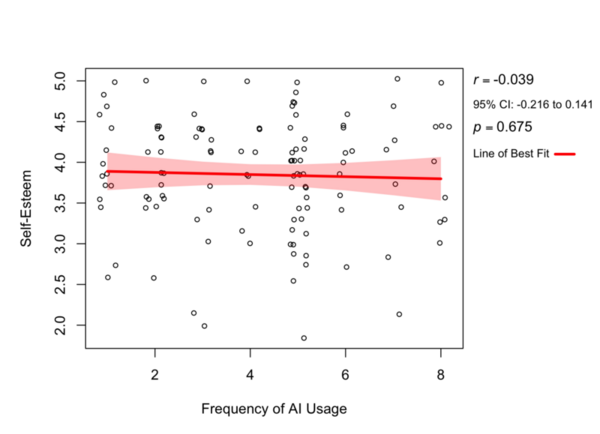
Here the authors investigated whether frequent use of generative AI tools triggers upward social comparison and negatively impacts users' performance self-esteem. Based on a survey of 121 adults, they found no significant relationship between AI usage and self-esteem, concluding that current chatbot interactions do not pose the same psychological threat as peer-based comparisons.
We systematically evaluated the effects of raw material composition, heat treatment, and mechanical properties on 13-8PH stainless steel alloy. The results of the neural network models were in agreement with experimental results and aided in the evaluation of the effects of aging temperature on double shear strength. The data suggests that this model can be used to determine the appropriate 13-8PH alloy aging temperature needed to achieve the desired mechanical properties, eliminating the need for many costly trials and errors through re-heat treatments.
Here, recognizing the vastly different opinion held regarding device usage, the authors considered the effects of technology use on middle and high school students' learning effectiveness. Using an anonymous online survey they found partial support that device use at school increases learning effectiveness, but found strong support for a negative effect of technology use at home on learning effectiveness. Based on their findings they suggest that the efficacy of technology depends on environmental context along with other important factors that need consideration.
In this study, with consideration for the increasing participation of high school students in indoor rowing, the authors analyzed World Indoor Rowing Championship data. Statistical analysis revealed two key features that can determine the performance of a rower as well as increasing competitiveness in nearly all categories considered. They conclude by offering a 2000-meter ergometer time distribution that can help junior rowers assess their current performance relative to the world competition.