Browse Articles

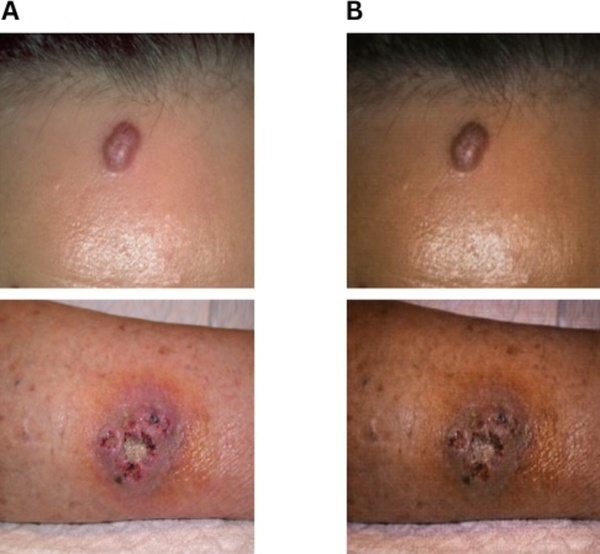
Mitigating skin color bias in dermatology AI using CycleGAN-based data augmentation

Kannan et al. | Jun 24, 2026

Mitigating skin color bias in dermatology AI using CycleGAN-based data augmentation
Image credit: Kannan and Ramasamy

This study investigates skin tone bias in artificial intelligence models used for dermatological disease classification and evaluates a CycleGAN-based data augmentation approach to improve diagnostic performance on darker skin types. We generated synthetic dark-skinned images to enhance dataset diversity and compared model performance before and after augmentation. The results demonstrate that augmentation with synthetic dermatological images can help reduce disparities in diagnostic performance across skin tones, highlighting a practical strategy for improving fairness in dermatology AI systems.

Read More...

Assessing Spanish interpretation in community healthcare: a study of patient satisfaction

Yon et al. | Jun 22, 2026

Assessing Spanish interpretation in community healthcare: a study of patient satisfaction
Image credit: Yon and Jones

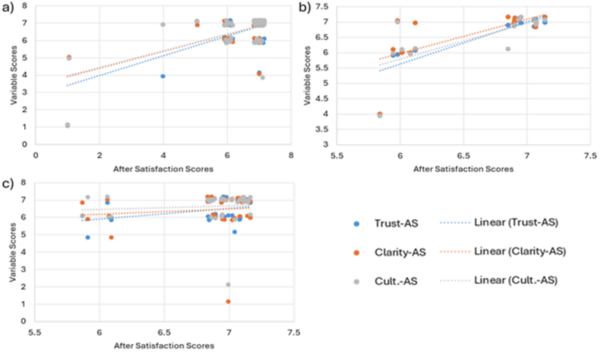
This manuscript explores the use of Spanish language translators in an outpatient clinic in New Jersey. The authors surveyed patients before and after in person, video, and telephone appointments to determine which modality was most acceptable to the patients. The authors found that the three modalities did not differ in patient satisfaction, but that patients were grateful for translations services and that patient trust may be expanded by the use of these services and by focuses of translator soft skills.

Read More...

An evaluation of the trends in U.S. maternal deaths based on abortion policies from 2018 to 2021

Haq et al. | Feb 18, 2026

An evaluation of the trends in U.S. maternal deaths based on abortion policies from 2018 to 2021

Here the authors evaluate the relationship between state-level abortion policies and maternal mortality across the United States from 2018 to 2021. Their findings reveal that states with restrictive abortion laws consistently experienced higher maternal mortality ratios than those with protective policies, culminating in a 72% increase in deaths within restrictive states by the end of the study period.

Read More...