Content warning: This article discusses the frequency and impact of mass violence incidents, particularly school shootings. Gun violence, threats of gun violence, firearm supply, fatalities among minors, and bullying are discussed but not graphically described.
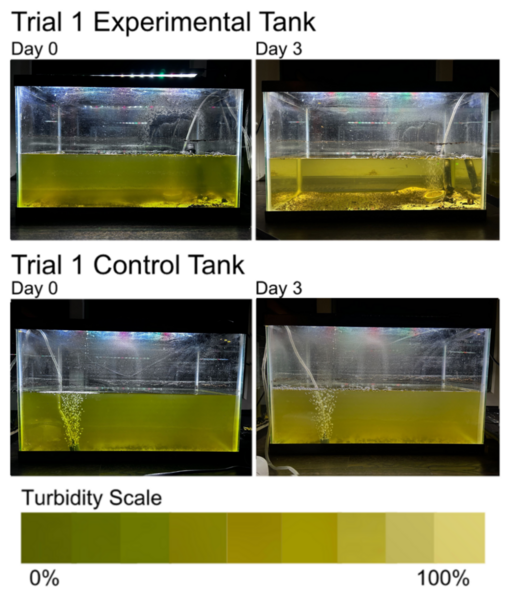
This study examines how environmental conditions influence the abundance and ecological role of the sea cucumber Opheodesoma spectabilis in Kāneʻohe Bay. Field observations and laboratory experiments showed that the species is more common in algae-dominated sandy habitats, where it improves water clarity and increases dissolved oxygen through bioturbation. However, exposure to very high temperatures caused rapid mortality, suggesting that marine heat waves could threaten this species and the ecological functions it provides.
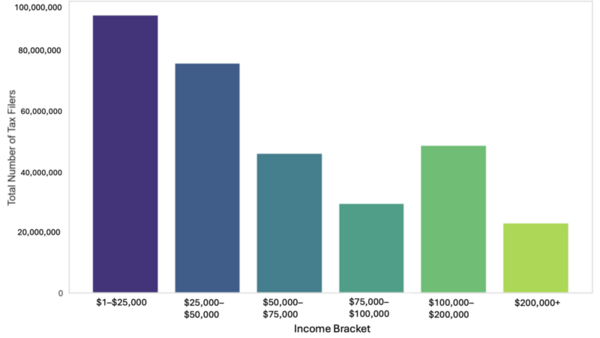
Tax incentives for sustainable technology are a key part of the push for a greener future. However, these incentives may not reach all income strata equally. Using a machine learning approach, this study analyzed the distributional effects of residential energy tax credits across different income levels in the United States.
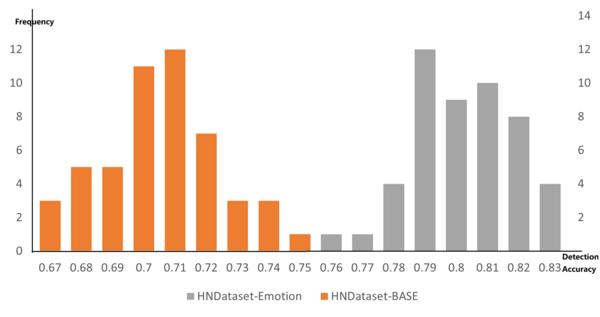
This manuscript tackles a major social issue in the health news sector, with social media being one of the primary sources of information and a prime spot to propagate fake news. The author proposes X-HND , which is a unique architecture that combines emotional and contextual analysis in a Graph Neural Network to accurately detect fake news. This was a multi-step process which involved the creation of a custom health news dataset (HNDataset), and an emotional variant that uses RoBERTa to extract emotion. These dataset were then used to prove the hypothesis that accuracy increases when the custom dataset is used to train the model and that with the integration of emotion capture, the detection accuracy increases further.
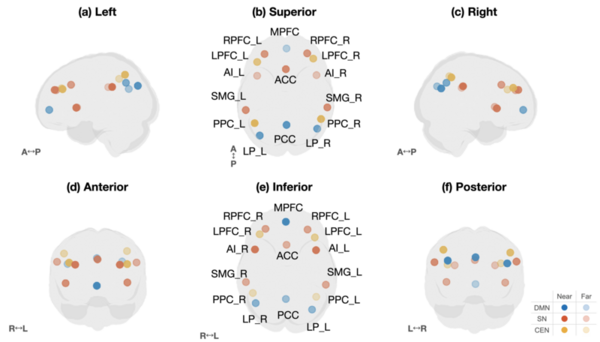
This study found that anxiety induced by a suspenseful story increased communication between the brain’s salience, default mode, and central executive networks, with the central executive network acting as a bridge during peak tension. These findings suggest that anxiety alters large-scale brain connectivity patterns and may help inform future diagnostic tools and personalized treatments for anxiety disorders.
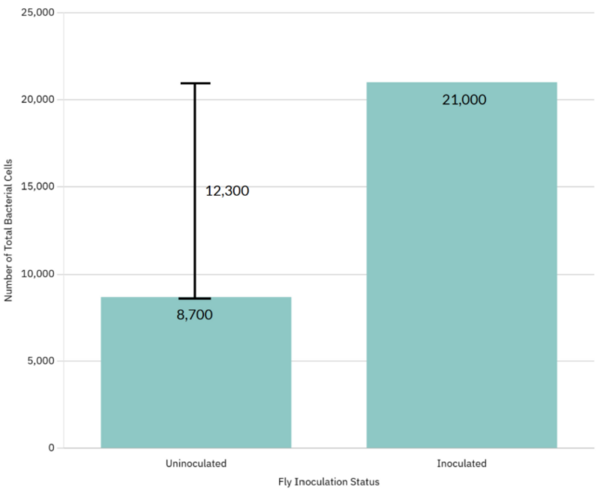
Excess sucrose consumption has been associated with several health problems, including inflammation and potential negative effects on immune function. However, the exact relationship between sucrose intake and immunity remains unclear, especially during bacterial infections. This study examined how sucrose intake affected the survival of fruit flies following oral infection with the bacterial pathogen Serratia marcescens.
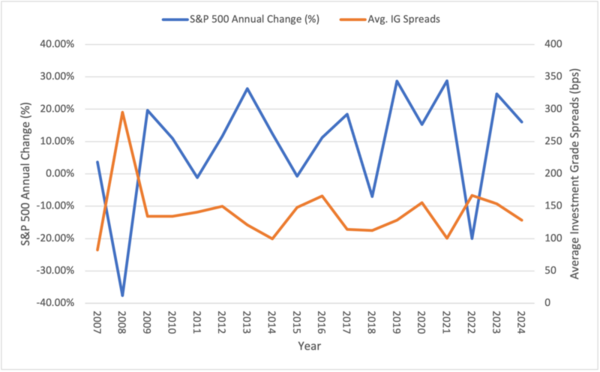
The authors examined the relationships between S&P 500 Technology and Financials equity sectors and their corresponding investment-grade fixed-income markets from 1995 to 2025.