Browse Articles

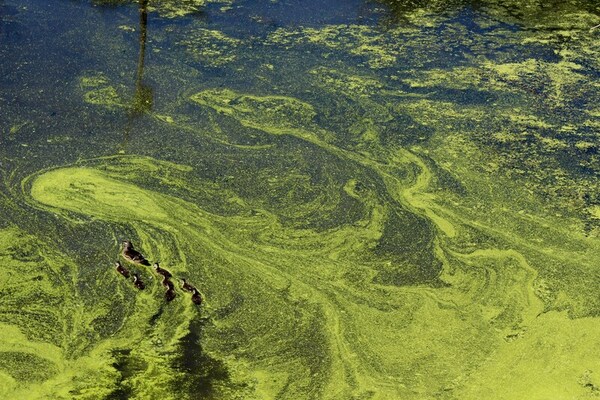
Increased survival of aquatic life through algal pretreatment of nitrate-contaminated runoff

Venkat et al. | Sep 12, 2026

Increased survival of aquatic life through algal pretreatment of nitrate-contaminated runoff
Image credit: Liz Harrell

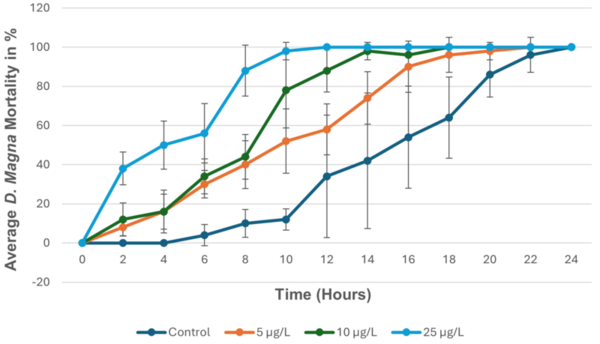
Here the authors investigated the effectiveness of algal pretreatment in reducing nitrate toxicity and extending the survival of fish in contaminated river water. Their findings demonstrate that treating nitrate-polluted water with algae extended fish survival by up to 50%, suggesting that algae could serve as a valuable tool for mitigating the destructive impacts of agricultural and industrial runoff on aquatic ecosystems.

Read More...
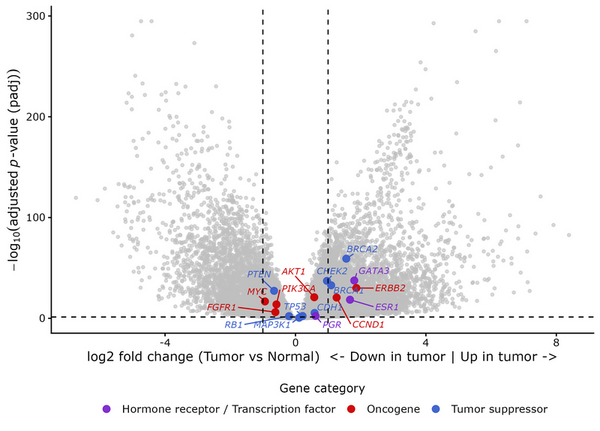
Integrated expression, mutation, and survival analysis of 17 key genes in breast cancer using TCGA-BRCA data

Wang et al. | Aug 06, 2026

Integrated expression, mutation, and survival analysis of 17 key genes in breast cancer using TCGA-BRCA data

This study combines gene expression, mutation profiling, and survival analysis of 17 clinically important genes in breast cancer, utilizing the TCGA-BRCA dataset. Our results show that there are different patterns of oncogene upregulation, different levels of tumor suppressor activity, and complicated survival associations. TP53 was the most frequently mutated gene in this cohort. The results underscore the significance of multidimensional genomic analyses for a comprehensive understanding of breast cancer biology and its therapeutic ramifications.

Read More...

Comparative study on three machine learning models in novel autonomous drone-based detection of invasive plant Brassica nigra

Ho et al. | Jul 05, 2026

Comparative study on three machine learning models in novel autonomous drone-based detection of invasive plant <em>Brassica nigra</em>

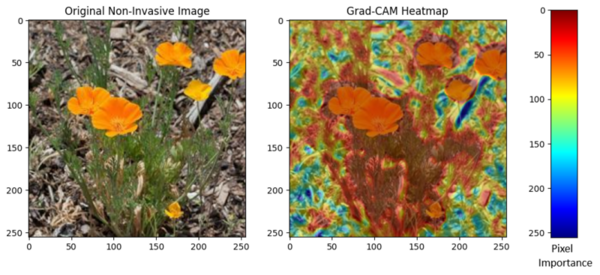
Autonomous drone imaging combined with machine learning offers a promising approach for early detection of invasive species. In this study, students built an autonomous drone and compared three models: CNN, SGDC, and XGBoost, to identify Brassica nigra from aerial footage. Their results show that CNNs most effectively recognize key visual features, demonstrating strong potential for supporting conservation and invasive plant management.

Read More...